
Roof Replacement San Francisco — Full Reroofs Built to Last
Full roof replacement in San Francisco — real 2026 pricing, DBI permits handled, honest tear-off inspections. Best quote.
Roof Replacement in San Francisco — What It Actually Costs and What Actually Happens
had the same flashing repaired twice in three years. Maybe the last inspection came back with words like “end of service life” instead of “minor wear.” Maybe your insurance company sent a letter about it — that’s happening to more San Francisco homeowners lately than you’d think, and it’s usually not because anything dramatic went wrong, just because the roof is old and flat and that combination makes underwriters nervous these days.
Whatever brought you here, this page is the honest version — real numbers, what actually drives the price up or down, what the process looks like from the first phone call to the final DBI sign-off, and what we see go wrong on other people’s jobs that we’d rather you avoid on yours.
One thing upfront: if you’ve been quoted a number that felt oddly low, or oddly high, or you’ve gotten three bids that don’t seem to agree on anything, that’s normal in this city, not a sign you’re being scammed. San Francisco roofing quotes vary more than almost anywhere else in the country, and there’s a real reason for that — which we’ll get into.
Roof Replacement San Francisco — Our Process
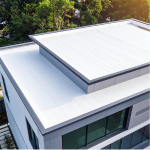
Top Roof Inspection & Estimate
We get up there, take photos, and give you a straight answer — including if repair’s still a reasonable option instead of a full replacement.
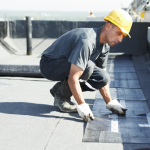
Full Tear-Off & Decking Inspection
Old roofing comes off completely so we can actually see the deck underneath. This is where hidden problems show up — soft spots, water damage, rot that’s been building for years under old shingles. Better to find it now than after the new roof’s already on.
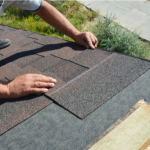
Warranty-Backed Roof Replacement
Labor and material warranties on every full replacement, in writing, before work starts. If something’s not right down the line, you’re covered.
Asphalt Shingle vs Metal vs Tile Replacement
Shingle’s the budget-friendly default and works fine for most homes. Metal costs more upfront but lasts decades longer, which matters if you’re planning to stay put. Tile fits the older architecture common across the city, but it’s heavier and pricier — worth it mainly if you’re matching an existing tile roof or the neighborhood’s style.
What Roof Replacement Actually Costs in San Francisco Right Now
Let’s start with the number everyone actually wants. For a flat roof on a typical San Francisco rowhouse — something in the 1,200 square foot range, which describes a huge share of the Sunset District, the Richmond, and parts of the Mission — homeowners are commonly paying somewhere around eighteen thousand dollars for a straightforward modified bitumen or torch-down replacement.
That number moves depending on a few specific things: how many layers of old roofing need to come off first, whether the decking underneath is sound or needs partial replacement, and whether you’re upgrading to a different system entirely, like TPO instead of the original bitumen.
For steep-pitch composition shingle roofs — the kind you’ll see on a two-story home in Noe Valley or out toward the Excelsior — the range widens quite a bit. Eighteen to twenty-eight thousand dollars covers a lot of straightforward jobs, but it’s genuinely common to see quotes stretch closer to thirty-five thousand once you factor in a larger footprint, a steeper pitch that requires more safety equipment and labor time, or a two-story structure where access itself adds cost.
And then there’s the wider spread you’ll hear about if you start asking around — homeowners comparing notes have reported getting bids anywhere from the high teens up past sixty or even seventy thousand dollars for what sounds like a comparable-sized flat roof. That gap isn’t three different companies trying to rip someone off. It’s three different companies pricing three different assumptions about what they’ll find once the old roof comes off.
Why the Same Roof Gets Wildly Different Quotes
This trips up more homeowners than almost anything else in the process, so it’s worth explaining plainly. A quote isn’t really a price for “your roof” — it’s a price for a specific scope of work, and two contractors can walk the same roof and leave with two different scopes in their head.
One contractor might assume the decking is fine and price accordingly. Another might budget conservatively for the possibility of rot, since a lot of San Francisco’s housing stock is old enough that finding some decking damage under thirty-year-old material is the rule, not the exception. Neither is necessarily wrong — they’re just pricing different levels of risk.
The way to cut through this isn’t to chase the lowest number. It’s to ask each contractor exactly what’s included, what’s excluded, and what triggers an additional cost once work begins. Get that in writing before you compare bids side by side.
What Actually Drives the Price Up
A few specific factors show up again and again once a job is underway, and knowing about them before you sign anything saves you from an unpleasant surprise mid-project.
Tear-Off Layers and Decking Condition
California allows a maximum of a few layers of roofing material stacked on top of each other before a full tear-off to bare decking is required, and a lot of older San Francisco properties are already at or near that limit. If your roof has multiple layers, tear-off alone adds real labor and disposal cost before a single new shingle or membrane goes down.
Once the old material’s off, the decking condition is the next variable. Rotted or delaminated plywood, or on older homes, gaps and soft spots in original board sheathing, needs to be replaced before new roofing goes on top of it. Most contractors price this as a per-sheet add-on rather than folding it into the base quote, since nobody can know exactly what’s under there until it’s exposed.
Get that per-sheet number upfront, in writing, before you sign anything. It’s the single most common source of “wait, why is my final bill higher than the quote” that we see homeowners run into with other companies.
Solar Panels and Roof Penetrations
If you’ve got solar panels already installed, or you’re planning to add them, this changes the job meaningfully. Panels have to come off before tear-off and get reinstalled after, and that coordination — protecting wiring, working around mounting hardware that wasn’t necessarily designed with a future re-roof in mind — adds cost that a roof without panels simply doesn’t have.
The same logic applies to any roof penetration: HVAC equipment, vent stacks, skylights, chimneys. Every one of these is a place where the roofing membrane has to be carefully cut and re-flashed, and a roof with a dozen penetrations takes meaningfully longer than a clean, open deck.
If solar is anywhere in your near-term plans, even a maybe, this is the moment to bring it up — not after the new roof is already down. Doing both at once means the mounting points get sealed as part of the roofing system itself and covered under the same warranty, instead of becoming a separate penetration some future roofer has to work around.
DBI Permits — Not Optional, Not a Place to Cut Corners
Any major roof replacement in San Francisco requires a permit from the Department of Building Inspection. This isn’t a formality and it isn’t something a contractor should be offering to skip “to save you time.” If someone tells you that, treat it as a warning sign, not a convenience.
Permit fees vary by project scope, but budgeting a few hundred to just over a thousand dollars for permitting and inspection is realistic for most residential replacements. We handle the entire filing and inspection process as part of every job — you shouldn’t need to think about DBI at all beyond knowing it’s happening.
Skipping a required permit creates real problems down the line, particularly at resale, when a buyer’s inspector or agent checks permit history and finds work that was never signed off on. That’s a much more expensive problem to untangle later than the permit fee itself.
Material Choice Changes Both Price and What You’re Actually Getting
The material names get thrown around a lot without much explanation — TPO, modified bitumen, torch-down, asphalt composition shingle — so here’s the plain version of what each one means for your roof and your budget.
Flat Roof Systems — Modified Bitumen, Torch-Down, and TPO
Modified bitumen — often installed as a torch-down system, meaning the seams are heat-welded — is the long-standing standard for San Francisco flat roofs, and for good reason. It handles the marine layer’s persistent moisture better than a lot of newer alternatives claim to, and it’s what most of the city’s flat-roof housing stock already has, which makes matching and repair work more straightforward down the line.
TPO is the more modern alternative, and it’s become the default choice for homeowners specifically thinking about energy efficiency, since its reflective white surface cuts cooling costs in a way dark modified bitumen doesn’t. For a straightforward flat roof replacement, TPO and torch-down land in a similar price range, so the decision usually comes down to priorities — proven track record versus energy performance — rather than cost alone.
Composition Shingle for Steep-Pitch Roofs
For the city’s Victorian and Edwardian steep-pitch roofs, asphalt composition shingle remains the most common material, largely because it offers a solid lifespan for a reasonable cost, with a wide range of colors and profiles that can match a home’s existing character.
If your home sits in a fog-belt neighborhood — the Outer Sunset, the Outer Richmond, anywhere Karl the Fog tends to sit heavy overnight — algae-resistant shingle products are worth the modest upcharge. Standard shingles in these zip codes can develop visible moss and algae growth within just a few years without that resistance built in.
Happens During a Replacement — Our Actual Process
Here’s what the project looks like in practice, step by step, so there’s no mystery about what you’re signing up for.
Free Inspection and Honest Assessment
We start with an in-person inspection, not a phone estimate. We get on the roof, take photos, and give you a straight answer about whether replacement is genuinely necessary or whether a targeted repair would reasonably hold for a few more years. If it’s the latter, we’ll tell you that — we’d rather earn a repair job now and a replacement job in a few years than push a homeowner into spending money before they need to.
Written, Itemized Quote
If replacement is the right call, you get a written quote that spells out material, labor, tear-off scope, the per-sheet rate for any decking replacement, and the permit fee — not a single lump number with everything buried inside it. No pressure to sign on the spot.
DBI Permit Filing
Once you approve the scope, we file with the Department of Building Inspection and manage the entire process. You don’t need to visit an office or track paperwork yourself. We build the permit timeline into your overall project schedule from the start.
Tear-Off and Decking Inspection — Documented, Not Guessed
Old material comes off, and we inspect the exposed decking before anything new goes down. If we find rot or damage, we stop, photograph it, and get your written approval on the additional scope before continuing. You will never see a surprise decking charge on a final invoice that wasn’t discussed with you first.
Installation With Daily Photo Updates
The crew that inspected and quoted your roof is generally the same crew doing the work. You’ll get photo updates as the project moves through each stage, so you can see what’s happening on top of your own house without needing to climb up there yourself.
Final Inspection and Permit Sign-Off
Once installation is complete, we schedule and attend the required DBI final inspection. When it passes, you get a copy of the signed-off permit for your records — a document that matters more than most homeowners realize until they’re selling the house and a buyer’s agent asks for exactly this.
We Serve All San Francisco Neighborhoods