
Bernal Heights Roofing San Francisco | Hillside & Steep-Slope Experts | 94110
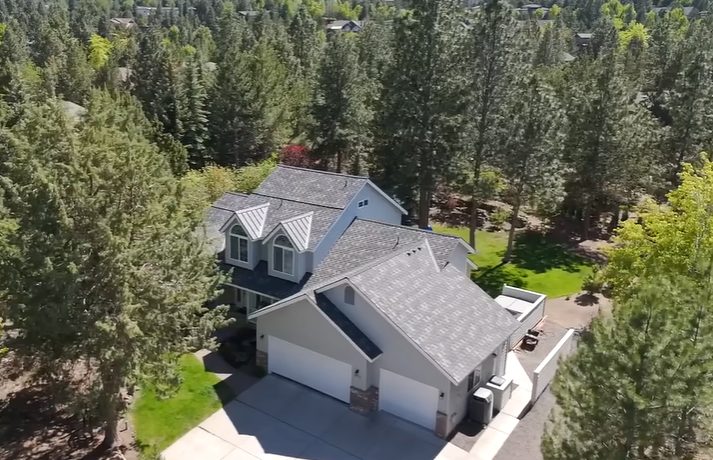
Roofing San Francisco brings specialized hillside and steep-slope roofing expertise to Bernal Heights — Coyote Hill wind-zone engineering, retaining-wall-adjacent drainage solutions, multi-generational family home re-roofing, and commercial roofing on the Cortland Avenue corridor. NAICS Code 238160 – Roofing Contractors. We do not underestimate wind uplift on Bernal Hill-facing slopes, we do not ignore drainage interactions with hillside retaining walls, and we do not send crews unfamiliar with steep-lot access logistics into one of San Francisco’s most topographically demanding residential neighborhoods. Serving ZIP code 94110 with crews trained specifically for this terrain.
Bernal Heights’ Trusted Roofing Contractor
Bernal Heights is built literally around a hill, and that single fact shapes almost everything about how a roof needs to be engineered and installed here. If you own property in 94110 — a classic cottage on a steep pitch near the top of Bernal Hill, a family home on one of the neighborhood’s dead-end streets or hillside stairways, a remodeled Edwardian near Precita Park, a multi-unit building along the Cortland Avenue commercial strip, or a view home on the upper slopes with sweeping sightlines toward downtown and the Bay — you already know this neighborhood doesn’t roof like the flat, grid-aligned streets of the Sunset or the Mission just down the hill. Bernal Heights is a hillside neighborhood first, and every roofing decision here has to account for grade, wind, access, and the accumulated character of homes that have been added onto, raised, and reconfigured by generations of owner-occupant families.
Bernal Hill itself — the open grassy summit at the neighborhood’s center, sometimes still called Coyote Hill by longtime residents for the wildlife that roams its slopes — creates a wind acceleration effect on the homes that ring it, particularly on the north and west-facing slopes where gusts funnel down unobstructed onto rooflines with a force that flatland neighborhoods simply don’t experience. Add steep-pitched lots that complicate safe access and material staging, narrow and sometimes dead-end streets that limit standard equipment delivery, a housing stock built and rebuilt in phases over decades by families rather than developers working from a single unified architectural plan, and retaining walls and hillside drainage systems that interact directly with roof runoff — and you have a roofing environment that rewards contractors who understand hillside construction and punishes those who don’t. .
We are CSLB-licensed roofing contractors serving 94110 with crews who understand steep-slope safety protocols, Bernal Hill wind-zone engineering, hillside drainage coordination, and the full San Francisco Department of Building Inspection (DBI) permit process from application through final inspection sign-off. Here is everything you need to know about every roofing service we provide in Bernal Heights.
The Problems Bernal Heights Homeowners Are Actually Facing
Before we break down individual services, you need to understand what makes roofing in 94110 fundamentally different from roofing in San Francisco’s flatter neighborhoods. This isn’t positioning language — it’s the direct result of building a dense residential neighborhood on and around a steep hill.
The Coyote Hill Wind Acceleration Problem
Bernal Hill rises sharply above the surrounding streets, and wind moving across the hill accelerates as it funnels down the slopes onto the homes built along its perimeter — particularly on the north and west-facing blocks that take the brunt of prevailing wind patterns moving in off the ocean and through the city. This creates specific roofing failure patterns that homes on flat inland blocks don’t experience:
- Shingle and tile attachment on upper hillside properties requires wind uplift engineering beyond standard flat-terrain tables — a roof specified for a sheltered flatland lot can suffer blow-off failures within a handful of storm seasons on an exposed Bernal Hill-facing slope
- Ridge caps, hip flashing, and roof edge details take disproportionate wind-driven stress on hillside homes and are frequently the first point of failure during winter storm events
- Flat and low-slope membrane roofs on the hill’s upper elevations require enhanced mechanical attachment rather than relying on adhesive bond alone, since wind uplift forces on exposed hillside roofs exceed what’s typical elsewhere in the city
- Loose or improperly secured rooftop equipment — vents, small solar arrays, antenna mounts — becomes a liability on wind-exposed slopes in a way it rarely is on sheltered flatland roofs
The Steep-Lot Access and Safety Problem
Many Bernal Heights properties sit on lots with significant grade change from the street, accessed by steep driveways, hillside stairs, or narrow dead-end streets that were never designed for modern construction equipment. This creates real logistical and safety considerations that a standard residential roofing crew working in the Sunset or the Excelsior doesn’t have to plan around:
- Material staging and debris removal on steep or narrow streets — common throughout the upper blocks near the top of the hill — requires careful planning and sometimes specialized equipment to move materials safely to the roof level
- Fall protection and safety protocols on steep-pitched roofs are more demanding on Bernal Heights’ hillside homes, where roof pitch is often combined with a significant drop-off at the building’s edge due to the sloped lot beneath it
- Homes built directly into the hillside sometimes have roof access points at multiple different grade levels, requiring a crew that plans logistics property-by-property rather than applying a single standard approach
- Dead-end streets and hillside stairways common in the upper Bernal blocks require advance coordination to avoid blocking pedestrian and vehicle access during a project
The Multi-Generational Family Home Renovation History Problem
Bernal Heights has long been a neighborhood of family-owned homes, many held by the same family for decades and expanded incrementally as families grew — a second story added in the 1970s, a rear addition built in the 1990s, a garage conversion completed more recently. This building pattern creates a specific roofing challenge:
- Many Bernal Heights roofs cover multiple additions built in different decades, meaning a single roof plane may transition between several different structural systems, deck materials, and prior roofing methods
- Undocumented or owner-built additions are common in a neighborhood with a strong self-reliant, do-it-yourself culture, and roof transitions at these additions are a frequent source of chronic leaks where different construction eras meet
- A full roof assessment on a Bernal Heights family home often requires understanding the property’s addition history before an accurate repair or replacement scope can be written
- Permit history gaps on older additions can complicate the DBI permit process for a new roof, requiring careful documentation before work begins
The Retaining Wall and Hillside Drainage Interaction
Because so much of Bernal Heights is built on grade, roof drainage doesn’t simply run to the street the way it does on flat lots — it interacts with retaining walls, hillside landscaping, and drainage systems designed to manage water movement down the slope:
- Roof runoff on steep Bernal Heights lots must be directed intentionally to avoid saturating retaining walls or hillside soil in ways that create slope stability concerns over time
- Gutter and downspout systems on hillside homes require more careful engineering than on flat lots, since a poorly directed downspout can concentrate water exactly where a retaining wall or foundation is least equipped to handle it
- Properties with a history of hillside drainage or retaining wall issues should have their roof drainage plan reviewed as part of any significant re-roofing project, not treated as a separate and unrelated system
The Cortland Avenue Commercial Corridor
Cortland Avenue, Bernal Heights’ primary commercial corridor, is lined with small retail shops, cafes, and restaurants in a mix of older commercial buildings and converted residential structures. These buildings carry flat commercial roofs with the same hillside wind exposure and access considerations as the surrounding residential streets, requiring commercial roofing expertise combined with hillside logistics awareness.
The DBI Permit Reality in 94110
Every full roof replacement and significant structural repair in San Francisco requires a DBI permit. On Bernal Heights properties with a history of additions or owner-built structures, the permit process may require additional documentation to establish what currently exists on the roof before new work can be approved — a detail that affects project timelines if not identified early.
How We Solve It
We engineer every Bernal Heights roofing project around the property’s specific position on the hill — treating wind exposure as a variable that changes block by block, not a generic citywide assumption. On wind-exposed upper hillside properties, we specify enhanced mechanical attachment patterns and reinforced ridge and edge detailing rather than defaulting to standard flat-terrain specifications. We plan material staging and crew safety protocols around each property’s actual access conditions, including steep driveways, hillside stairs, and narrow dead-end streets, before a single piece of material is ordered.
For family homes with a multi-decade addition history, we conduct a full roof assessment that identifies where different construction eras meet on the roof plane, since these transitions are the most common source of chronic leaks in Bernal Heights’ incrementally built housing stock. And we treat roof drainage as connected to the property’s broader hillside drainage and retaining wall system, not as an isolated component — directing runoff intentionally rather than assuming a downspout in the same old spot is still the right call.
Our Process
- Full roof and hillside context assessment — physical inspection accounting for the property’s slope position, wind exposure, and addition history
- Access and safety planning — logistics mapped for each property’s specific driveway, stairway, or street access before work begins
- Written, fixed-price, line-item scope — including our protocol for handling additional construction-era transitions or undocumented decking discovered during tear-off
- DBI permit management — including documentation coordination for properties with incomplete permit history on prior additions
- Tear-off and structural verification of decking and framing across all roof sections, with particular attention to where different additions meet
- Installation with wind-zone engineering — enhanced attachment patterns, reinforced edge and ridge detailing, and drainage directed intentionally away from retaining walls and hillside soil
- Final DBI inspection sign-off and documentation for ownership and insurance records
Materials We Specify on Every Bernal Heights Project
- Wind-rated shingle and tile attachment systems engineered for Bernal Hill’s accelerated gust exposure
- Reinforced ridge cap, hip, and roof edge flashing detailing for wind-exposed hillside elevations
- Mechanically attached single-ply membrane systems on flat and low-slope sections at higher elevations
- Corrosion-resistant flashing and fasteners appropriate to San Francisco’s marine-influenced climate
- Properly engineered gutter and downspout systems directing runoff away from retaining walls and slope-sensitive soil
- Compatible transition flashing for roofs spanning multiple construction eras and addition phases
- Class A fire-rated assemblies throughout
Complete Roofing Services in Bernal Heights, San Francisco | 94110
Roof Repair in Bernal Heights | 94110 | Same-Day Leak Diagnosis & Emergency Fix
The most common call we receive from Bernal Heights homeowners follows a strong winter storm — often one with significant wind — when a hillside property’s roof edge, ridge cap, or an additional transition point gives way under conditions the roof was never properly engineered to handle.
In Bernal Heights’ varied housing stock, that leak could originate from wind-lifted shingles on an exposed upper-hill property, a failed transition flashing where a 1980s rear addition meets the original roof structure, a corroded valley on a steep-pitched cottage, or a clogged gutter contributing to water intrusion at the roofline.
What separates a real repair from a temporary patch in Bernal Heights: We trace water back to its actual entry point using systematic water testing, moisture scanning, and physical inspection — and on properties with a multi-decade addition history, we specifically assess whether the leak originates at a transition between different construction eras, since these points require a different repair approach than a straightforward field membrane or shingle failure.
Common Bernal Heights roof repairs we handle:
- Wind-damaged shingle and ridge cap replacement on exposed upper-hillside properties
- Transition flashing repair where additions of different eras meet on the same roof plane
- Valley flashing replacement on steep-pitched cottage and Victorian-era sections
- Gutter and downspout repair and redirection to protect retaining walls and hillside soil
- Open seam sealing and modified bitumen membrane patching on flat rear-addition roofs
- Pipe boot, vent, and HVAC curb flashing replacement
- Emergency storm leak tarping and interior moisture protection
- Skylight curb re-flashing on additions with older or improperly installed skylights
What Bernal Heights homeowners should know before calling anyone for a repair: Demand a photo-documented estimate from an estimator who physically walks your full roof, including any additions, and who asks about your property’s renovation history. A contractor unfamiliar with how your roof was built in stages over the decades is more likely to misdiagnose a transition-point leak as something else entirely.
Roof Replacement in Bernal Heights | 94110 | Wind-Engineered & DBI-Permitted
Full roof replacement in Bernal Heights requires accounting for the property’s specific wind exposure and addition history — a generic re-roof scope written without walking the entire structure risks missing transition points and under-specifying wind resistance on exposed hillside elevations.
When replacement is the right answer instead of repair:
- Shingle or tile roofs showing wind damage across multiple sections, with recurring blow-off issues despite prior repairs
- Flat roof membrane sections showing widespread alligatoring, seam failure, or repeated leaks in different locations each storm season
- Multiple failed transition points across a roof spanning several construction eras, where patch repairs are no longer addressing the underlying issue
- Roof age past typical service life thresholds for the installed system
- Insurance carrier non-renewal notice citing roof age, condition, or wind damage history
- Active dry rot discovered in roof decking or framing during inspection, particularly common at older addition transition points
Our Bernal Heights replacement process: We pull all permits directly through San Francisco DBI before any material is ordered, including any documentation needed to address permit history gaps on older additions. We plan staging and access logistics specific to your property’s driveway, stairway, or street configuration in advance. Every tear-off includes a complete structural inspection of exposed decking and framing across all roof sections, including addition transition points. You receive a written, fixed-price, line-item scope before any work begins.
Wind-zone specifications on every Bernal Heights replacement:
- Enhanced wind uplift attachment patterns for upper hillside and Bernal Hill-facing properties
- Reinforced ridge, hip, and edge flashing detailing
- Mechanically attached membrane systems on flat sections at higher elevations
- Drainage engineered to direct runoff away from retaining walls and slope-sensitive soil
Commercial Roofing in Bernal Heights | 94110 | Top-Rated for Cortland Avenue Corridor
Cortland Avenue, Bernal Heights’ primary commercial strip, is home to a mix of small retail shops, cafes, and neighborhood restaurants operating out of a combination of older commercial buildings and converted residential structures — all requiring commercial roofing expertise combined with hillside access awareness.
Commercial roofing services we provide in Bernal Heights:
- Full commercial low-slope membrane replacement including TPO, PVC, and modified bitumen systems on Cortland Avenue buildings
- Wind-rated mechanical attachment specification for exposed commercial rooftops
- HVAC curb flashing fabrication and installation
- Roof drain and scupper hydraulic re-engineering on flat commercial roofs experiencing ponding
- Commercial preventive maintenance programs with documented inspections
- Multi-unit residential building re-roofs with HOA coordination
For Cortland Avenue’s restaurant and food service tenants: Cooking grease from commercial kitchen exhaust systems chemically degrades standard TPO membrane within three to five years. Above every restaurant kitchen exhaust penetration on Cortland Avenue, we specify PVC single-ply membrane exclusively.
Roof Installation in Bernal Heights | 94110
New construction, major additions, and ADU projects throughout 94110 are common given Bernal Heights’ long tradition of families expanding their homes over time. Our installation process accounts for wind exposure specific to the property’s position on the hill, proper drainage planning relative to retaining walls and slope, and full DBI permit management from application through final inspection — including documentation coordination where the project builds onto or connects with older, less-documented portions of the home.
Flat Roofing in Bernal Heights | 94110 | Best Modified Bitumen & Membrane Systems for Hillside Additions
Bernal Heights’ housing stock includes a significant amount of flat and low-slope roofing on rear additions, garage structures, and mid-century homes throughout the neighborhood — often built at a different time than the original steep-pitched sections they connect to.
What proper flat roofing looks like in Bernal Heights specifically:
- Positive slope built with tapered insulation where settlement or original construction shortcuts have caused deck deflection
- Mechanically attached membrane systems specified on wind-exposed upper hillside properties rather than relying on adhesive bond alone
- Internal drains and scuppers fully cleared and correctly detailed before any membrane installation
- Proper transition flashing where flat addition roofs meet the original steep-pitched roof structure — one of the most common chronic leak points in the neighborhood
- Gutter and drainage systems engineered to direct water away from retaining walls and hillside soil
TPO Roofing in Bernal Heights | 94110 | Top Title 24 Cool Roof & Wind-Resistant Specialists
TPO single-ply membrane is an increasingly specified flat roofing system in Bernal Heights for additions, garage conversions, and ADU projects throughout 94110, particularly valued for its combination of wind performance and Title 24 compliance.
Why TPO makes engineering sense in Bernal Heights:
- Title 24 Cool Roof Compliance: TPO’s white reflective surface meets California’s cool roof mandates on flat addition roofs throughout the neighborhood
- Wind Performance: Heat-welded TPO seams and mechanical attachment options perform reliably on wind-exposed hillside properties where adhesive-only systems are more vulnerable
- Weight Advantage: TPO’s lighter weight is beneficial on older addition structures where the original framing wasn’t necessarily built to carry a heavy roofing system
- Solar Compatibility: TPO’s white surface is the preferred substrate for rooftop solar, an increasingly popular addition for Bernal Heights’ view-oriented upper hillside properties
Critical TPO specification detail for Bernal Heights: On wind-exposed hillside properties, mechanical attachment fasteners and patterns are specified for elevated wind uplift resistance — not standard flat-terrain attachment schedules.
Silicone Roof Coating in Bernal Heights | 94110 | Best Flat Roof Restoration for Hillside Additions
Not every flat roof in Bernal Heights requires a full tear-off. If the existing membrane on a rear addition or garage structure is structurally sound — confirmed dry by electronic moisture scanning — a high-solids silicone roof coating system can extend service life by 10 to 15 additional years.
What silicone coating restoration involves in Bernal Heights:
- Electronic moisture scanning and core sample extraction to confirm the insulation substrate is completely dry
- Mechanical cleaning and surface preparation
- Application of high-solids silicone base coat with reinforcement fabric at all seams, transitions, and penetrations — including addition transition points
- Final reflective silicone topcoat meeting Title 24 cool roof requirements
Who it’s right for: Homeowners with a 10-to-15-year-old flat addition roof showing surface wear but no systemic seam failures, particularly where a full tear-off would be disruptive to a family living in the home.
Who it’s wrong for: Any roof where moisture testing reveals wet insulation, active seam separation, or where the addition transition points show signs of structural movement. We test first, always.
Metal Roofing in Bernal Heights | 94110 | Standing Seam & Wind-Resistant Specialists
Metal roofing in Bernal Heights appears most often as durable, wind-resistant standing seam installations on modern additions and renovations, as well as architectural flashing and valley work on the neighborhood’s older cottage and Victorian-era homes.
Metal roofing applications in Bernal Heights:
- Standing seam steel installations on additions and contemporary renovations, valued for wind performance on exposed hillside lots
- Custom valley flashing fabrication for steep-pitched cottage and Victorian sections
- Gutter and downspout system fabrication engineered to handle hillside drainage without overwhelming retaining walls
- Decorative cornice and parapet flashing for older home facade restoration
Why metal performs well on Bernal Heights’ exposed slopes: Standing seam metal roofing’s continuous, mechanically fastened panels offer superior wind uplift resistance compared to individual shingle units — a meaningful advantage on upper hillside properties directly exposed to wind coming off Bernal Hill.
Waterproofing Services in Bernal Heights | 94110 | Best Deck, Retaining Wall & Below-Grade Solutions
Bernal Heights’ hillside lots frequently feature decks, below-grade garage spaces, and retaining wall systems that require careful waterproofing coordination with the roof’s drainage plan.
Waterproofing services we provide in Bernal Heights:
- Pedestrian-traffic-rated deck waterproofing on rear yard decks and hillside view decks
- Below-grade garage and foundation waterproofing on steep-lot properties
- Retaining wall-adjacent drainage coordination to prevent roof runoff from concentrating at slope-sensitive points
- Light well waterproofing on homes built into the hillside grade
- Planter box and terraced garden waterproofing membrane installation, common on Bernal Heights’ hillside landscaping
Wood Shake Roofing in Bernal Heights | 94110 | Class A Fire-Rated Specialists
Some of Bernal Heights’ older cottages and Craftsman-influenced homes retain original wood shake elements on steep-pitched sections. Any wood shake installation must meet California’s Class A fire-retardant treated (FRT) requirements.
What we do with wood shake in Bernal Heights:
- Class A FRT wood shake installation on steep-slope sections maintaining authentic period profile
- Selective course replacement preserving intact original sections
- Breathable underlayment installation for moisture management
- Architectural shingle alternatives replicating wood shake profile for homeowners whose insurance carriers exclude wood shake coverage
Skylight Installation in Bernal Heights | 94110
Skylights are a popular addition for Bernal Heights homeowners looking to bring natural light into additions and renovated interior spaces. We handle both new skylight installation on flat addition roofs and re-flashing of existing skylights on older sections, with attention to proper curb construction that can withstand the wind exposure common on hillside properties.
Bernal Heights Roofing: The California Insurance Non-Renewal Problem
If your insurance carrier has delivered a non-renewal notice citing your Bernal Heights roof’s age, material type, or wind damage history, we can help you respond with the documentation carriers require.
What we provide to help Bernal Heights homeowners fight non-renewal:
- Photo-documented professional roof inspection reports with material condition assessment and estimated remaining service life
- Class A fire-rated assembly installations with manufacturer certification
- Complete DBI permit packages from initial application through final inspection sign-off
- Post-installation material specification sheets, including wind-rating documentation for carriers concerned about hillside wind exposure history
Serving Every Block in Bernal Heights
We work across the full geographic span of 94110 — from the upper hillside blocks near the top of Bernal Hill, through the mid-slope residential streets, down to Precita Park and the flatter blocks approaching the Mission District border, and along the Cortland Avenue commercial corridor.
Specific areas and corridors we serve:
- The Cortland Avenue commercial and restaurant corridor
- Upper hillside properties near the summit of Bernal Hill with elevated wind exposure
- Precita Park-adjacent residential blocks
- Dead-end streets and hillside stairway-access properties throughout the upper blocks
- Flatter residential blocks approaching the Mission District border
- Alemany Boulevard-adjacent properties on the neighborhood’s southern edge
Property types we serve in 94110:
- Single-family cottages and Victorian-era homes, often expanded with additions over decades
- Multi-generational family homes with garage conversions and ADUs
- Mixed-use commercial and residential buildings on Cortland Avenue
- Multi-family and duplex residential buildings
- View homes on upper hillside lots
- Restaurant and food service operations on the Cortland Avenue corridor
How to Find the Best Roofer Near Me in Bernal Heights | Top Local Hiring Standards
Every experienced Bernal Heights homeowner should be cautious about contractors who don’t account for the neighborhood’s hillside wind exposure and layered addition history. Here’s what our local clients wish they had known before signing:
- Ask specifically about wind uplift engineering for hillside properties: If a contractor can’t explain how they adjust attachment specifications for wind-exposed slopes near Bernal Hill, they’re applying a generic flatland approach to a hillside roof
- Ask if they’ll walk your entire roof, including all additions: A contractor who doesn’t ask about your home’s renovation history is more likely to miss transition-point vulnerabilities
- Get at least three bids and compare scope line by line: A bid that doesn’t address your property’s specific access logistics or wind exposure is an incomplete bid
- Insist on San Francisco DBI permits: Any full roof replacement or structural repair in 94110 requires a city building permit
- Demand photo-documented estimates from an estimator who physically accesses the roof: Wind damage, transition-point failures, and drainage issues are not visible from the street on a steep-lot property