Roof Inspection San Francisco | Best & Honest
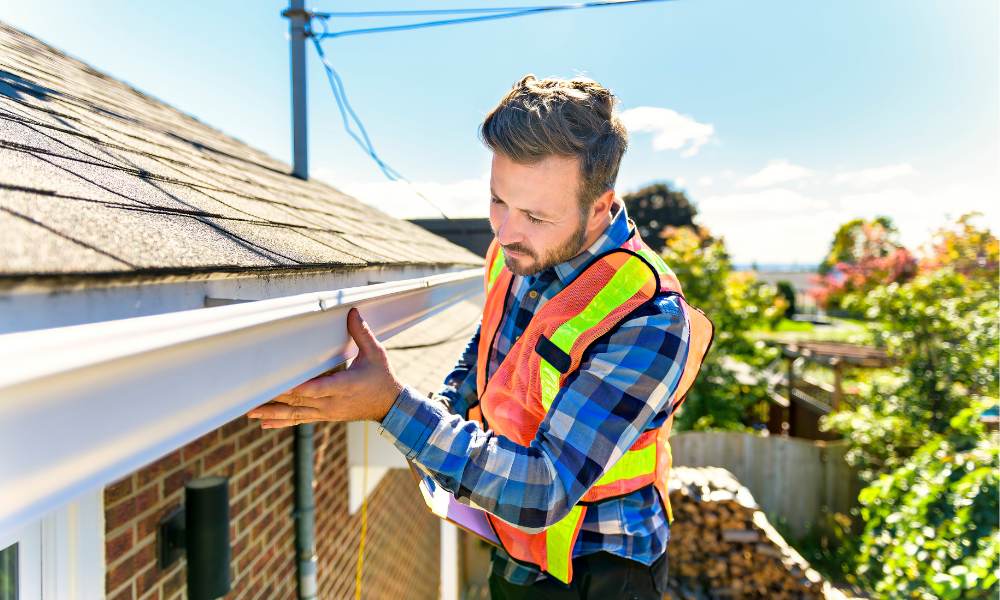
There’s a version of a “Top roof inspection” that a lot of homeowners have learned to be suspicious of, and honestly, they’re right to be. Someone shows up, spends four minutes on the roof, and comes back down with a scary story and a same-day discount if you sign right now. That’s not an inspection. That’s a sales tactic wearing an inspection’s clothes.
We’re going to say something a little unusual for a roofing company page: sometimes the most honest thing we can tell you after an inspection is that you don’t need us yet. That’s happened plenty of times, and it’s genuinely fine. A homeowner who trusts our honest “you’re fine for now” is a homeowner who calls us first when something actually does need doing.
This page covers when a real inspection matters, what we actually check, what you get afterward, and the three situations that bring most San Francisco homeowners to this page in the first place.
for roofing installation contact us
Three Reasons SF Homeowners Call Us for Inspections
Almost everyone lands on this page for one of three reasons, and each one deserves a slightly different approach.
You Just Bought a House — Pre-Purchase Roof Assessment
The general home inspection that comes standard with any SF purchase is a broad-strokes check — the inspector walks the whole property, and the roof gets maybe fifteen minutes of that attention, often just a visual scan from the ground or a quick walk if conditions allow.
That’s not nothing, but it’s also not the same as a roofer who does this, specifically getting up there with a trained eye for flashing, seam condition, and the early signs of dry rot that a generalist inspector might miss. If you’re closing on a house — especially an older Victorian or Edwardian, which describes most of this city’s housing stock — a second, roofing-specific opinion is worth the peace of mind.
We’ve seen this pattern show up constantly in industry feedback: a new homeowner discovers issues within the first year that a more thorough, specialist inspection likely would have flagged before closing. Getting ahead of that, even after closing, still matters — better to know now than during the next atmospheric river.
Your Insurance Company Sent a Letter About Your Roof
This has become a genuinely common reason people call us, and it’s worth addressing directly because it catches people off guard. California insurers have gotten noticeably more selective about aging roofs, particularly flat roofs and composition roofs past a certain age, and some homeowners are getting non-renewal notices without ever having filed a claim.
The letter usually gives you a window — thirty, sixty, sometimes ninety days — to address the issue or risk losing coverage. What a lot of homeowners don’t realize is that the insurer often just wants documented proof of current condition, not necessarily a full replacement.
We’ll tell you honestly which situation you’re in. Sometimes a documented inspection report showing the roof is in reasonable shape is enough to satisfy the insurer. Sometimes the roof genuinely does need work, and we’ll say that too — but you deserve to know which one it actually is before you spend money either way.
Pre-Rainy Season Check-Up — Before Atmospheric Rivers Hit
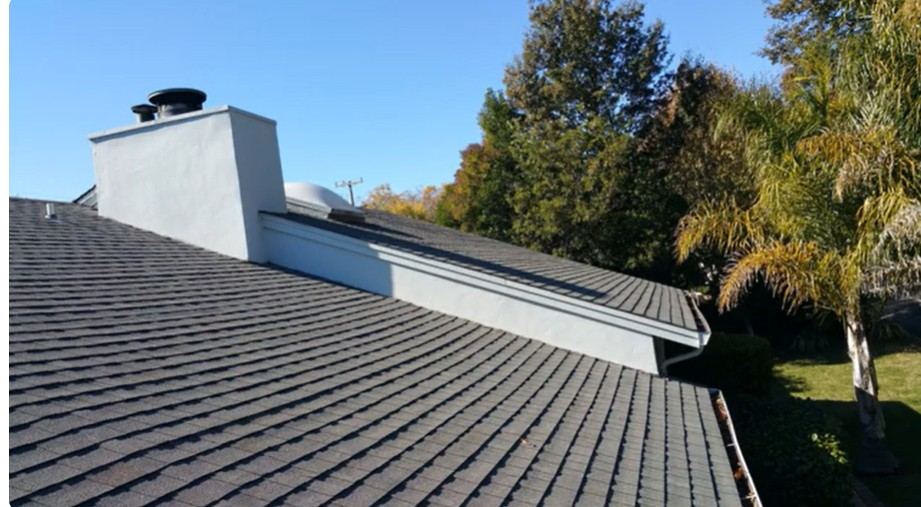
San Francisco’s rainy season isn’t a gentle, steady drizzle spread evenly across winter. It’s mostly concentrated into a handful of atmospheric river events, each one dumping sustained, heavy rainfall over a day or two, and that’s exactly the kind of stress test that finds every small weakness a roof’s been quietly developing.
A small flashing gap or a slightly undersized drain that never mattered during light rain can fail completely once real volume hits it. Catching that in September, before the season starts, is dramatically cheaper and less disruptive than dealing with an active leak during a January storm.
We recommend this specifically for any San Francisco roof more than ten years old, and especially for homes in fog-belt zip codes like the Outer Sunset and Outer Richmond, where persistent moisture accelerates wear in ways a drier climate simply doesn’t.What Our Inspection Includes
A real inspection isn’t a glance from the sidewalk. Here’s what actually happens.
Full Perimeter Walk and Flashing Check
We physically get on the roof and walk the full perimeter, checking every flashing point — chimneys, skylights, vent stacks, parapet caps — since flashing failure is consistently the single most common cause of leaks we find across San Francisco’s older housing stock.
Flat Section Drainage Assessment
For any flat or low-slope section, we check drainage specifically — whether water is pooling anywhere longer than it should, whether drains are clear, and whether the membrane shows early seam separation before it’s actually leaking yet.
Interior Attic Inspection for Moisture Signs
Where access allows, we check the attic or interior roof structure for staining, moisture, or early signs of dry rot in the decking — issues that often show up from inside before they’re visible from the roof surface itself.
Digital Photo Report — Every Finding Documented
Every issue we identify gets photographed, not just described. You should be able to see exactly what we saw, not just take our word for a verbal summary.
What You Get — Written Report Within 24 Hours
You’ll get a written report with a prioritized finding list, not a wall of undifferentiated notes. Critical issues that need attention soon are separated clearly from things worth monitoring, which are separated from purely cosmetic items that don’t need any action at all.
Alongside that, you get our honest recommendation — repair, monitor, or replace — with the reasoning behind it explained in plain language, not roofing jargon you need us to translate.
When We Recommend Someone Else
Occasionally an inspection turns up something that’s genuinely outside roofing — a structural issue that needs an engineer, a chimney problem that needs a mason, water intrusion that’s actually coming from a window or siding failure rather than the roof at all.
When that happens, we’ll tell you directly rather than quoting work on a problem we’re not the right people to fix. This matters more than it sounds like it should — a contractor who only ever finds problems their own trade happens to solve is a contractor whose diagnosis you should be a little skeptical of.
If You Don’t Need Work Done, We’ll Tell You
I want to come back to this because it’s genuinely the point of the whole page. We get calls from homeowners who are anxious — an insurance letter, a stain that turned out to be nothing, a neighbor’s roof project making them wonder about their own — and plenty of the time, the honest answer after we’ve actually looked is that the roof’s fine.
That’s not us being generous. It’s just accurate information, and giving it to you straight is the only way an inspection is actually worth anything. A roofer who finds “urgent” problems on every single roof they inspect isn’t doing inspections — they’re doing sales calls with extra steps.
Frequently Asked Questions About Roof Inspections in San Francisco
FINAL CTA SECTION
Buying a house, dealing with an insurance letter, or just want peace of mind before the rains start — the Top inspection either way, and the answer you get will be honest either way.
Call :+16282214900 Best Inspection. Written Report Within 24 Hours. No Pressure, Even If You Need Nothing.