
Roof Installation Cost San Francisco 2026 — Real Numbers
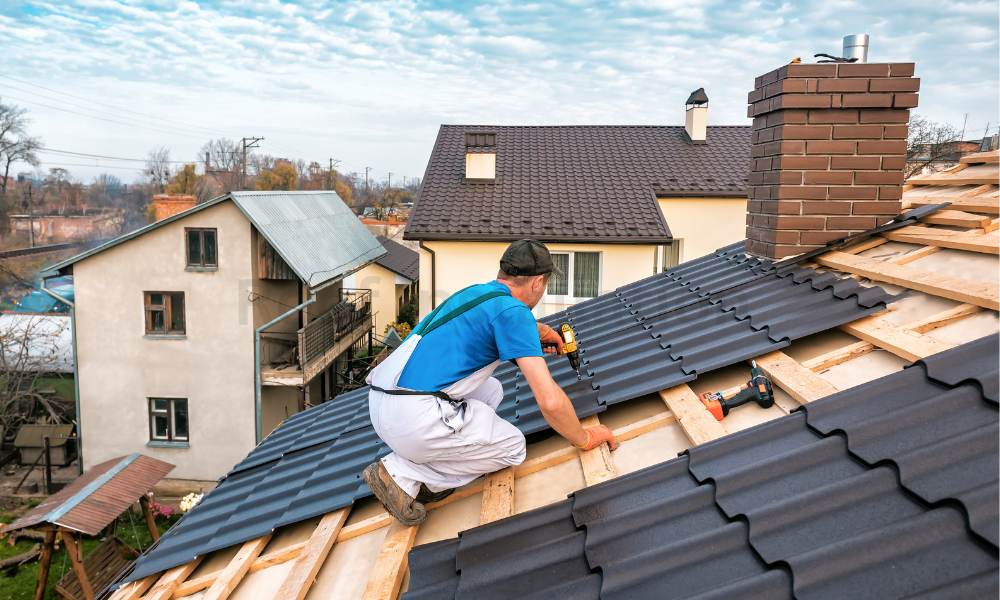
What a New Roof Actually Costs in San Francisco Right Now
So you’re getting quotes for a roof and the numbers you’re seeing don’t seem to agree with each other at all. One contractor says twenty grand. Another says forty. A third one — and this actually happened to a homeowner in the Bay Area — came back with $200,000 on a 3,800 square foot flat roof with multiple sections. contact us for Installtion.
Two hundred thousand dollars. For a roof
Before you assume someone’s trying to rip you off, or that you’re somehow asking the question wrong, here’s the thing: they’re probably not lying to you. They’re just quoting completely different jobs, using completely different assumptions, on a house that has more going on underneath the surface than either of you realize yet.
That’s the actual story of roofing costs in this city, and almost nobody explains it clearly before you’re three quotes deep and thoroughly confused. Below is what people are genuinely paying, why the range is this wide, what quietly adds thousands after you’ve mentally committed to a number, and what to ask before you sign anything.
The Actual Numbers People Are Paying
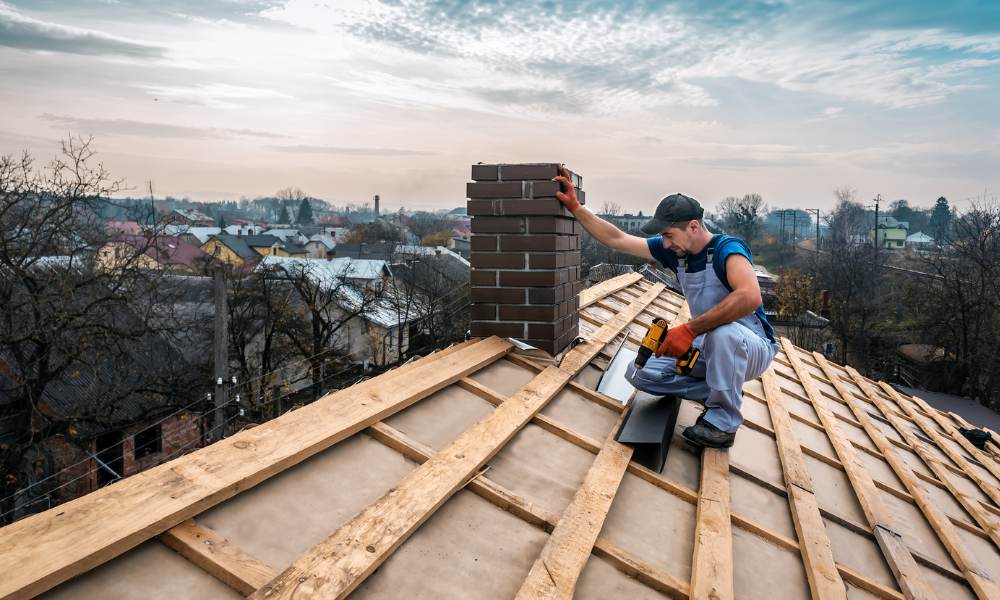
Let’s start with flat roofs, because this is where the range gets genuinely wild. One homeowner described getting bids from twenty-eight thousand all the way up to seventy thousand dollars — for the same house, same square footage, presumably the same weather sitting on top of it every night.
Twenty-eight to seventy. That’s not a typo and it’s not an outlier either. A lot of people report something similar: three bids, and somehow they land anywhere from twenty to thirty-five thousand depending on square footage, material, and how much pitch the roof actually has.
Now — and this matters — there are people who got out cheap. Genuinely cheap. Under fifteen thousand for a smaller flat roof job. One person mentioned their place ran about ten to seventeen thousand a year or two back, and someone else did theirs for seventeen flat, bitumen, no drama.
So it’s not like everyone’s paying thirty grand. The low numbers tend to belong to smaller roofs, simpler jobs, houses without a dozen penetrations poking through the membrane.
For Roofing Inspection contact us.
Shingle Roofing Costs
Shingle roofing behaves a little more predictably, thankfully. For a typical two-story house around 2,200 square feet doing a full composition shingle tear-off and replace, you’re mostly looking at eighteen to twenty-eight thousand.
Sometimes that stretches to thirty-five depending on who’s bidding and what’s underneath. That’s honestly a tighter range than flat roofing gives you, and there’s a reason for that — which comes down mostly to fewer penetrations and simpler drainage than a flat system.
The Outlier Story
Because someone always has the outlier story — there’s the person whose 3,800 square foot house with multiple flat roof sections pulled quotes from thirty-eight thousand dollars on the low end to two hundred thousand on the high end.
That number is worth remembering. It’s a good illustration of just how far apart two “professional” estimates can land when the scope isn’t nailed down first.
Why the Range Is So Absurdly Wide
The spread isn’t random. A few specific things are doing almost all the work behind those numbers.
Labor Cost and Availability
Just — labor, full stop. The cost of running a licensed, insured roofing crew in the Bay Area is genuinely higher than most of the country.
On top of that, finding a company with people available to actually show up and do quality work has gotten harder. One person summed it up well: it’s hard to find a company, and that scarcity, combined with the general cost of doing business here, is why prices sit where they sit. Not because roofers are greedy — the labor market itself is tight and expensive.
Scope and Complexity
This one’s huge and it’s the part people underestimate the most going in. Solar panels sitting on the roof already? Multiple flat sections instead of one continuous plane? A parapet wall running the perimeter?
Peeling back three old layers of material that somebody stacked on top of each other decades ago instead of tearing anything off? Every one of those adds real cost. Solar penetrations specifically can swing a bid dramatically, because now you’re coordinating panel removal, protecting wiring, and re-flashing around mounts that weren’t designed with a future re-roof in mind.
Hidden Costs Nobody Warns You About
This is the part that catches basically everyone off guard, no matter how many quotes they’ve gotten. Sheathing replacement is the big one.
Most contractors bid the tear-off and the new roofing material as the main number. Sheathing — the actual wood deck underneath everything that’s been absorbing moisture for who knows how many years — gets handled as a separate per-sheet add-on once they’re actually up there and can see what they’re dealing with.
That number alone can run an extra fifteen hundred to four thousand dollars, sometimes more. If a contractor doesn’t tell you that upfront, you find out mid-project instead of during quoting — a much worse time to find out. Dry rot repair gets mentioned constantly too — budget an extra couple thousand as a real possibility, not a remote one, especially on an older SF house.
Material Choice Changes Both the Price and What You’re Actually Getting
This is where a lot of homeowners get stuck, because the material names start blurring together — TPO, PVC, SBS, modified bitumen, spray foam, elastomeric coatings — and nobody explains what any of it actually means for how the roof performs.
PVC vs SBS
If you’re working with a tighter budget, PVC tends to be the cheaper, easier-to-install option, and it holds up fine. It’s more puncture-prone though, which matters if people are ever walking around up there for maintenance or HVAC service.
SBS systems trade a bit of that budget-friendliness for ply redundancy — more layered protection built in, which tends to matter more if the roof sees regular foot traffic. There’s no universal “better” here. It depends on how the roof gets used and what you’re optimizing for, cost or durability.
Foam Roofing
Foam roofing is its own conversation entirely. One homeowner mentioned paying around thirteen thousand for a foam roof and specifically noted it kept the house a few degrees cooler.
That tracks — foam systems have real insulating and reflective properties that some harder membrane systems don’t offer the same way. It’s a legitimate option. It’s just not automatically the cheapest or most durable, so it’s worth actually discussing with whoever’s bidding your job rather than picking it because it sounds modern.
Getting Quotes Without Losing Your Mind
Every single thread on this topic, without exception, lands on the same advice: get multiple bids. Three, at minimum.
Not because any one contractor is necessarily wrong, but because the range is so wide that a single quote tells you almost nothing about whether you’re being treated fairly.
Why Getting Quotes Is Its Own Ordeal
Here’s the frustrating part nobody warns you about going in — actually getting three companies to show up and quote your job is a small ordeal on its own. Multiple people specifically mentioned having a genuinely hard time getting contractors to come out at all.
One person flat out said it was a pain just finding anyone willing to give a quote in the first place, let alone do good work once hired. If you’re feeling like you’re chasing people down just to get a number, you’re not doing anything wrong. That’s apparently just how it goes right now.
Checking Licenses and Reviews
While you’re in that process, check licenses. This isn’t optional due diligence, it’s the baseline. California contractors carry a CSLB license number, and it’s searchable — it takes about ninety seconds to verify someone’s actual who they say they are.
Check reviews too, obviously. Yelp, Google, wherever homeowners in your specific neighborhood have actually left feedback about real work, not just a star rating with no context.
Permits, Warranties, and the Stuff That Bites You Later
The parts of a roofing project that don’t show up in the headline quote number, but absolutely show up later if you skip them.
Permits Are Not Optional
Any major roof work in California requires a building permit. That’s not negotiable. If a contractor tells you they can skip it to save time or money, that should worry you more than reassure you.
Unpermitted roof work becomes a real headache down the line, particularly if you ever try to sell the house and a buyer’s inspector notices work that was never signed off on. Budget the permit cost into your number from the start.
Warranties — Ask Before You Sign
Warranties are the other thing people gloss over until it’s too late to matter. The company installing your roof needs to actually be certified by the manufacturer of whatever material you’re using.
That certification is what makes an extended manufacturer warranty valid in the first place — not just the fact that shingles or membrane got installed by someone with a truck and a ladder. Ask directly. Get it in writing.
Coordinating Roofing With Solar
If solar is anywhere in your near future — even a maybe, even a someday — this is the moment to deal with it, not after the roof’s already done. Doing the roof and solar together means the panel mounting points get properly sealed as part of the roofing system itself.
That coordination also means the mounts get covered under that same warranty, instead of becoming a separate penetration that some future roofer has to work around and potentially voids coverage on. Skip this and you’re setting up a more expensive, more annoying problem for the future-you.
Insurance Is Getting Pickier
One more thing that’s become a bigger deal recently than it used to be: insurance. Carriers have gotten noticeably more particular about flat roofs and older composition roofs specifically.
Some are hesitant to write new policies at all on composition roofs over about twenty-five years old. A chunk of the frustration in homeowner discussions lately is specifically about getting dropped or non-renewed because of roof condition, not because of any claim. If your roof is aging and you haven’t heard from your insurer about it yet, that conversation is probably coming.
What to Actually Do With All This
If you’re staring down a roof project right now, here’s the condensed version of everything above, stripped down to what actually matters.
Get three or more onsite estimates — not phone quotes, not a number pulled from a square-footage calculator, an actual person on your actual roof.
Ask for a genuine line-item breakdown: tear-off cost, disposal, the per-sheet rate for sheathing replacement if needed, permit fees, gutter work if it’s part of the scope, and solar disconnect-and-reinstall if you’ve got panels up there. Get that sheathing number specifically, in writing, before you sign.
Verify the license and actually read a handful of reviews that describe real work, not just a star rating floating with no context.
Confirm the warranty situation directly — manufacturer certification, workmanship coverage, and what happens if something fails in year three versus year fifteen.
Plan for penetrations and solar upfront rather than treating them as an afterthought once the crew’s already up there.
That’s genuinely most of it. The wide price range across quotes isn’t roofers scamming you — it’s a real reflection of how differently a roof can be scoped, and how much a house’s actual condition changes the honest number once someone gets up there and looks. The way you protect yourself isn’t finding the one magic contractor with the perfectly average price. It’s asking the right questions before you sign, so whatever number you land on is the number you actually end up paying.