Roofing in San Francisco San#1 Choice for Torch Down & Tile Roofing
Trusted roofing in San Francisco — residential, commercial & flat roofs. Licensed, GAF certified, Best inspection.
or Call +1 628 2214900
Roofing in San Francisco — Honest Work, No Surprises, Done Right the First Time
If you’ve been putting off calling a roofer because you’re not sure who to trust — you’re not alone. Most San Francisco homeowners we talk to have the same story: they called two or three companies, nobody showed up when they said they would, and the quotes came back so different they didn’t know what to believe. That ends here.
We are a locally licensed C-39 roofing contractor based right here in San Francisco. We work on Victorian homes in the Outer Sunset, flat roofs in the Mission, hillside properties in Bernal Heights, and everything in between. We have been doing this long enough to know that every SF neighbourhood has its own specific roofing challenges — and a roofer who doesn’t understand that has no business touching your home.
Before we quote anything, we come out in person, get on the roof, and tell you exactly what we see. If you don’t need a full replacement, we’ll tell you. That’s how we work.
Same-Day Response
Licensed C-39
Free Inspections
We Handle All DBI Permits
All Work by Our Own Crew
Photo Updates Throughout Every Job
Why Roofing in San Francisco Is Harder Than Anywhere Else in California
San Francisco is 47 square miles of hills, ocean wind, marine fog, and pre-1940 housing stock. That combination creates roofing problems you simply do not see in Sacramento, Fresno, or the South Bay. A roofer who learned their trade in the Central Valley and drove up for the work is not equipped for what this city throws at a roof.
Karl the Fog Is Your Roof’s Worst Enemy
The marine layer — what locals call Karl the Fog — rolls in off the Pacific most mornings and sits on rooftops in the Outer Sunset (94122, 94116), Outer Richmond (94121), and the Parkside for hours before burning off. Some days in June and July it never burns off at all. Over months and years, this persistent moisture does something no amount of summer heat can undo:
● It feeds moss and algae growth on asphalt shingles, lifting edges and trapping moisture underneath
● It drives salt air corrosion into metal flashing at chimneys, skylights, and parapet walls
● It causes wood decking beneath old roofs to soften and develop dry rot — often invisible until a contractor tears off the old material
● It works through micro-cracks in flat roof membranes that would seal themselves in a drier climate
Neighborhoods close to Ocean Beach and Lands End — areas like the Outer Sunset along Noriega Street, Judah Street, and the numbered avenues — see the worst of it. A roof in the 94122 zip code ages faster than the same roof on a sunny Potrero Hill block. Anyone quoting you a flat rate per square foot without asking what neighborhood you’re in doesn’t know this city.
The Victorian and Edwardian Housing Stock Changes Everything
More than 80 percent of San Francisco’s residential buildings were constructed before 1940. That means turrets. Dormers. Bay windows with their own flashing details. Steep 6:12 and 8:12 pitch roofs that most peninsula contractors won’t touch. Flat-roof sections combined with pitched sections on the same Victorian rowhouse.
Re-roofing a Queen Anne Victorian in Pacific Heights (94115) or a Stick-style Edwardian in Haight-Ashbury (94117) requires completely different techniques than stripping and replacing a 1970s ranch house in Daly City. The flashing at a turret base, the valley where a bay window meets the main roof slope, the parapet on a flat-roof Mission District rowhouse (94103) — these details take genuine SF experience. When they’re done wrong, water finds a way within one rainy season.
DBI Permits, Seismic Weight Limits, and Title 24 — What SF Adds to Every Job
San Francisco’s Department of Building Inspection (DBI) requires a permit for virtually all re-roofing work. As of 2026, permit applications are submitted online through the city’s portal. Permit fees typically run $257 to $800+ depending on scope. We handle the entire permit process — you don’t lift a finger.
Beyond permits: California’s Title 24 Energy Code requires that low-slope roofs (less than 2:12 pitch) on re-roofing projects use cool-roof materials with a minimum Solar Reflectance Index of 78. That rules out standard dark-coloured torch-down without a reflective cap sheet. And San Francisco Building Code Chapter 7A requires fire-resistant roofing materials for properties near urban wildland interface areas — including parts of Twin Peaks, Diamond Heights, Bernal Heights, and the western slopes above Glen Canyon.
If your roofer doesn’t mention any of this during the estimate, they’ve either never pulled an SF permit before, or they’re planning to skip it.
Services we Provided
Roofing in San Francisco
We handle residential and commercial roofing across all 18 San Francisco neighbourhoods, plus the broader Bay Area. Here is what we do, and more importantly, how we do it differently.
Roof Waterproofing San
Roof waterproofing in San Francisco — parapet walls, flat roof decks, roof-to-wall transitions. Stop the leak before the next storm.
| System | Best For | Lifespan in SF | Title 24 Compliant | Est. Cost/Sqft Installed |
| 3-Ply SBS Modified Bitumen (Torch-Down) | Flat roofs with regular foot traffic, HVAC access | 15–20 years | With reflective cap sheet | $12–$18 |
| 60-mil TPO (Thermoplastic Polyolefin) | Energy-efficient re-roofing, cool-roof mandate compliance | 15–20 years | ✅ Yes — naturally white/reflective | $14–$20 |
| 2-Ply APP Modified Bitumen | Budget re-roofing, lower foot-traffic roofs | 12–16 years | With white cap sheet | $10–$15 |
| Silicone Roof Coating | Extending life of structurally sound existing flat roof | +10–20 years on existing | ✅ Yes — highly reflective | $4–$8 |
Roof Repair — From Single Leaks to Full Section Replacements
Most leaks in San Francisco trace back to four root causes: failed flashing, seam separation, cracked or lifted shingles, and blocked drainage causing ponding. We do not guess. Every repair starts with a physical inspection — we get on the roof, conduct a water test if the source is unclear, and show you photos of exactly what we found before we quote anything.
Emergency roof repair response during the atmospheric river season (November through February) is when SF homeowners need us most. If your ceiling is wet right now, call us. We treat storm-related leaks as emergency calls.
Roof Inspection — Before You Buy, Before the Rains, Before the Insurance Letter
Three situations drive most inspection requests in this city:
● New SF homebuyers who want an independent second opinion beyond the general home inspection report — our reports include photographs of every problem area with our honest assessment of urgency and cost
● Homeowners whose insurance company has threatened to cancel or non-renew their policy due to “poor roof condition” — we have extensive experience preparing inspection reports that satisfy insurer requirements and we know exactly what documentation they need
● Pre-rainy season inspections every September — in this city, an $800 inspection in September is infinitely cheaper than a $15,000 emergency repair in January
roof Installment in San Francisco & Bay Area
So you’re getting quotes for a roof and the numbers you’re seeing don’t seem to agree with each other at all.
Commercial Roofing
Ground-up commercial roofing systems, sized and specified for how the building actually gets used — not a one-size-fits-all install.

Commercial Flat Roofing Systems
Most commercial buildings in San Francisco run flat or low-slope roofs. We install and maintain TPO, modified bitumen, and built-up systems built for exactly that kind of roof.
Commercial Roof Repair
Leaks on a commercial building don’t wait for a convenient time. We prioritize emergency commercial calls because a delayed fix almost always turns into a much bigger bill later.
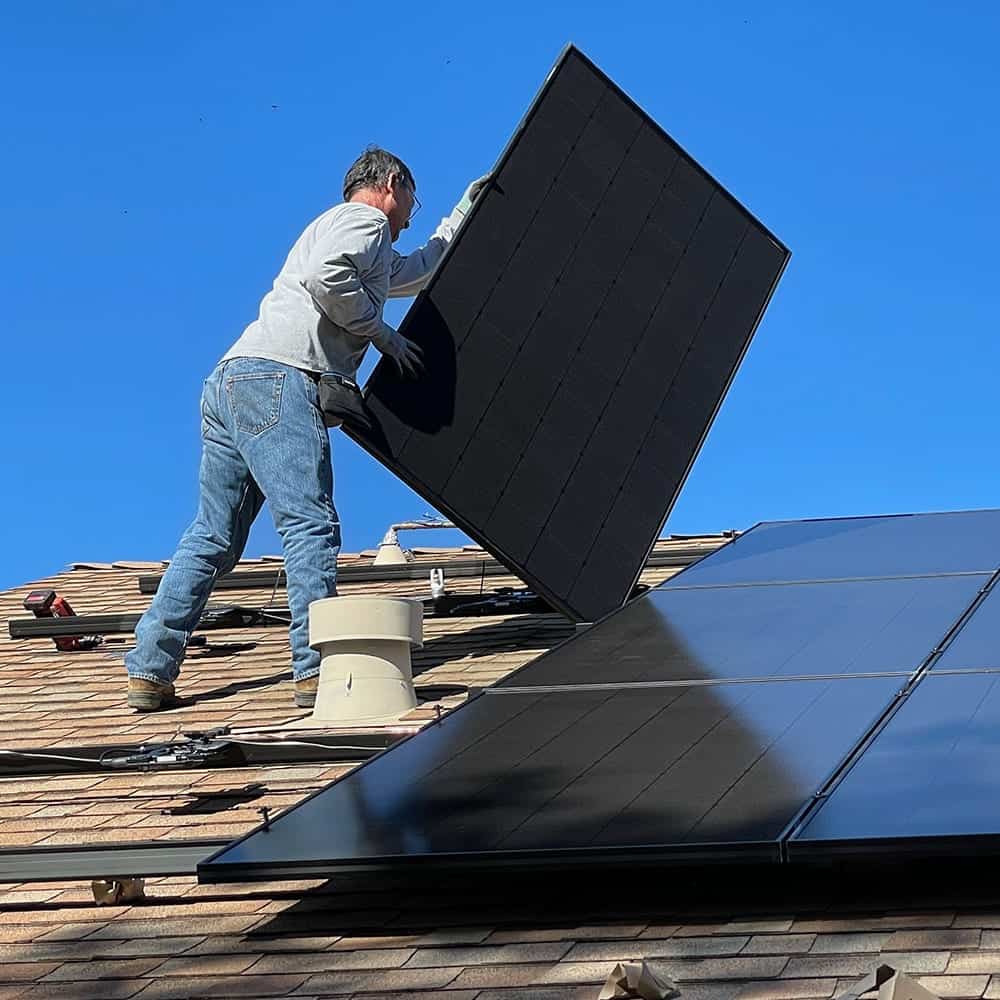
Roof Repair
Lorem ipsum dolor sit amet, consectetur adipiscing elit.
Flat Roofing Contractors in San Francisco
Here’s something people outside the city don’t always get: most of San Francisco isn’t shingle roofs. It’s flat roofs. Victorians, Edwardians — the housing stock was built low-slope on purpose, less roof surface exposed to weather, easier upkeep, fits the architecture. So flat roofing isn’t some niche add-on for us. It’s most of what we do, most weeks.
Flat Roof Installation
Proper slope for drainage — yes, “flat” roofs still need a slight pitch, or you get ponding, ask anyone who’s dealt with standing water on their roof deck — correct membrane selection, and seams that are actually sealed, not just close enough.
Flat Roof Repair
Ponding water, a seam that’s opened up, a puncture near an HVAC unit from foot traffic — flat roof problems are usually quick fixes if you catch them early. Wait too long and they’re not.
Flat Roof Contractors — Torch Down & TPO Experts
We specialize in the two systems that dominate flat roofing here: torch down (heat-applied modified bitumen) and TPO. Which one makes sense depends on budget, how the building’s used, and how much foot traffic that roof actually sees.
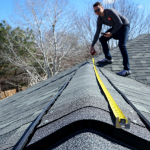
TPO Flat Roofing
Reflective, energy-efficient, and increasingly the default choice for both residential flat roofs and commercial buildings trying to cut cooling costs.
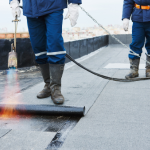
Modified Bitumen Roofing
Durable, proven, and still one of the most common systems on San Francisco flat roofs — multi-layer protection that handles marine layer moisture better than a lot of the newer alternatives claim to.
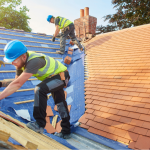
Torch Down Roofing
This is probably our most-requested service, and there’s a reason for that — it’s the standard for older SF flat roofs. Heat-welded seams, watertight from day one when it’s installed correctly. That “if” matters, though. This is not a weekend DIY system, and we’ve been called in more than once to fix an attempt that went sideways.
Learn More services , Standing Seam Metal Roofing San Francisco
We Serve All San Francisco Neighborhoods
Unlike contractors based in South San Francisco or the Peninsula who drive into the city for jobs, we know this city street by street. Every neighborhood has different roof types, different exposure levels, and different DBI permit requirements. Here is where we work:
| West SF (Fog Belt) | Central SF | East SF / Hillside | South SF |
| Outer Sunset — 94122 Worst fog exposure in the city. Moss and algae on asphalt shingles is endemic. Annual zinc sulfate treatment required. | Haight-Ashbury — 94117 Queen Anne and Stick Victorians with turret flashing complexity. Duboce Triangle rowhouses. | Noe Valley — 94114 Victorian stock with Twin Peaks fog shadow. HOA-managed multi-units. Premium neighbourhood. | Excelsior — 94112 Sun-belt zone. Flat roofs dominant. UV degradation and ponding water issues. |
| Inner Sunset — 94122 Edwardian stock. UCSF-adjacent professional market. Irving Street corridor. | Castro / Eureka Valley — 94114 Victorian conservation area. Heritage material considerations. | Bernal Heights — 94110 Hillside steep-slope specialists. Property values and views command quality. | Glen Park — 94131 Family neighbourhood. Canyon Road homes. Re-roof cycle targeting. |
| Outer Richmond — 94121 Pacific-facing. Salt air corrosion on all metal components. Balboa Street corridor. | Pacific Heights — 94115 Highest average home values in SF. Premium materials. Landmark mansions on Broadway and Washington. | Potrero Hill — 94107 Tech professional homeowners. Design-conscious. Best natural light in SF. | Visitacion Valley — 94134 Older housing stock. Affordability-focused repairs. |
| Inner Richmond — 94118 Geary Blvd corridor. Dense rowhouses. Flat and low-slope roofs dominate. | The Marina — 94123 Liquefaction zone. Seismic considerations in re-roofing. Cow Hollow rowhouses. | Mission District — 94103, 94110 Flat roofs dominant. TPO and torch-down specialists. Post-seismic parapet checks. | Bayview / Hunters Point — 94124 Industrial-adjacent. Older housing stock. Industrial flat roof work. |
| North Beach / Telegraph Hill — 94133 Wind uplift from bay exposure. Historic Coit Tower-area buildings. | Twin Peaks / Diamond Heights — 94131 Highest fog catchment. Wind uplift. Standing-seam metal ideal. | SoMa / South Beach — 94103, 94105 Mixed residential-commercial flat roofs. HVAC penetration specialists. | Dogpatch / Central Waterfront — 94107 New construction + older industrial conversion. TPO flat roofs. |
Bay Area Service Area — Beyond San Francisco
We also serve residential and commercial roofing customers throughout the surrounding Bay Area:
● Daly City — directly south of SF, same fog belt conditions, similar flat-roof Eichler and rowhouse stock
● South San Francisco — industrial and residential mix, commercial flat roof specialists
● San Carlos — Peninsula residential, low competition, fast turnaround
● San Mateo — established residential market, tile and asphalt shingle re-roofing
● Burlingame — premium residential, similar Victorian-era building stock to SF
● Oakland — bungalow and craftsman stock, post-Oakland Hills fire Zone 4 seismic compliance
● Berkeley — Craftsman homes, Berkeley Hills fire zone Chapter 7A compliance
● Marin County — Sausalito, Mill Valley, San Rafael — high-end residential, standing-seam metal specialists
● Redwood City — growing residential market, ranch-style and newer construction
Why San Francisco Homeowners Choose Us Over the Alternatives
We’ll Tell You If You Don’t Need a New Roof
This sounds obvious, but it is genuinely rare. We have gone out to properties in Noe Valley, the Outer Sunset, and the Mission and told homeowners that their roof had several years of life left and only needed targeted repairs. We lost the big job. We kept the relationship — and they called us back when the time came.
An insurance agent who works with SF homeowners put it clearly: “Many times a full roof replacement isn’t actually needed, and the best roofer is the one honest enough to say so.” That is how we operate on every inspection.
Same-Day Response — Always
The single biggest complaint SF homeowners have about local roofers is that they never call back. We have heard this dozens of times. Our commitment: we respond to every inquiry within 2 hours during business hours, and we treat roof leaks during atmospheric river events as emergency calls with same-day response targets.
Our Own Licensed Crew — No Subcontracting
Every person on your roof works directly for us. We do not call a labour broker when we win a job. The crew that shows up is the crew we trained, insured, and supervise directly. When we say we will be there at 8am, we will be there at 8am. When we say the job takes three days, we are accountable for that.
We Handle Every DBI Permit — Start to Finish
Pulling an SF DBI permit, scheduling the city inspection, and getting the sign-off is a process that takes coordination and familiarity with the building department. We have done this many times. You will never need to make a call, visit 49 South Van Ness, or track down an inspector. When your job is done, you will have a completed permit in your records.
Daily Photo Updates — You Always Know What’s Happening
You hired us to work on arguably the most important structural component of your home. You deserve to know what is happening on your roof every single day. We send photo and video updates at each stage: after tear-off (so you can see the decking condition), mid-installation, and at completion. Every problem we find gets documented and shown to you before we touch it.
Solar Panel Coordination — We Know How This Works
San Francisco has one of the highest rates of residential solar adoption in California. We have completed dozens of jobs where solar panels needed to be removed before re-roofing and reinstalled after. We coordinate directly with your solar installer, ensure the mounting hardware is sealed into the new roofing system warranty, and document everything for your panel company’s records. We have also repaired damage caused by solar installers who did not properly flash their penetrations.
Insurance Claim Support — We Know the Process
San Francisco has one of the highest rates of residential solar adoption in California. We have completed dozens of jobs where solar panels needed to be removed before re-roofing and reinstalled after. We coordinate directly with your solar installer, ensure the mounting hardware is sealed into the new roofing system warranty, and document everything for your panel company’s records. We have also repaired damage caused by solar installers who did not properly flash their penetrations.
Common Roofing Problems in San Francisco — Causes and Honest Solutions
Problem: “My ceiling is wet after the rain”
This is the most common emergency call we get, especially between November and March during atmospheric river season. The most frequent causes in SF homes:
● Flashing failure at a chimney, skylight, or parapet wall — the #1 culprit in Victorian-era roofs
● Seam separation in a flat roof modified bitumen or TPO system
● Blocked roof drain causing ponding water that overwhelms the membrane
● Cracked or lifted shingles at a ridge or valley that have been stressed by thermal cycling
What we do: come out, get on the roof, conduct a water test if needed, photograph the source, and give you a written repair scope before we touch anything.
Problem: “I just found out I have dry rot under my roof”
Dry rot in the roof decking — the plywood or board sheathing under your roofing material — is SF’s most common hidden cost in a roof replacement. Our fog belt climate keeps wood damp for extended periods, and older homes often have board sheathing (1×6 planks) rather than modern plywood. When dry rot is found, it must be replaced before any new roofing material is installed. The cost depends entirely on how much of the deck is affected.
Our process: during tear-off, we photograph and measure every damaged deck section before cutting. We show you the footage, give you a documented scope addition, and wait for your approval before proceeding. You will never be surprised by a dry rot bill from us.
Problem: “My insurance company says I need a new roof to keep my coverage”
This has become increasingly common in California as insurers tighten risk assessment. The letter usually says your roof is past useful life, has visible wear, or shows signs of moss growth or debris accumulation. Not every one of these situations actually requires a full replacement.
We come out, inspect the roof, and give you our honest assessment. If repairs and cleaning will satisfy the insurer, we tell you that. If replacement is genuinely needed, we document exactly what we found so your claim submission is bulletproof. We have specific experience preparing reports that satisfy requirements from State Farm, Farmers, CSAA, and other major California insurers.
Problem: “I’m seeing moss or algae on my shingles”
In the Outer Sunset (94122, 94116) and Outer Richmond (94121), moss and algae on asphalt shingles is not optional maintenance — it is mandatory annual or biennial care. Biological growth traps moisture against the shingle surface 24 hours a day, lifts shingle tabs at the edges, and accelerates decomposition significantly faster than a dry-climate roof of the same age.
Treatment options: zinc sulfate granule application along the ridge (passive treatment that washes down in rain), copper strip installation at the ridge (longer-term solution), or direct biological treatment followed by gentle cleaning. Pressure washing is not appropriate for asphalt shingles — it removes the protective granule layer and accelerates ageing.
Problem: “My solar panel installer damaged the roof”
This has become a specific SF roofing problem category. Solar installers who are not experienced roofers sometimes seal their mounting penetrations incorrectly, or drill into rafters at locations that compromise the existing roofing system. If your solar company has gone out of business, or if they are unresponsive about the damage, we can repair the penetrations and integrate the new flashing into the existing roof warranty.
Roofing Materials — Matched to San Francisco’s Climate Zones
We do not push one material on every customer. The right material for a property in the fog-belt Outer Sunset is often different from the right material for a sun-belt Potrero Hill flat roof. Here is how we think about material selection for SF’s three distinct climate zones:
Fog Belt (Outer Sunset, Outer Richmond, Parkside — 94121, 94122, 94116)
Priority: moisture resistance, algae resistance, anti-corrosion flashing.
● Asphalt shingles: choose algae-resistant Class A rated products (CertainTeed Landmark, GAF Timberline) with copper or zinc granule treatment. Standard shingles moss up in 3–5 years in these zip codes.
● Standing-seam metal: the most fog-resistant steep-slope option. 24-gauge Galvalume or copper. Properly installed, lasts 40–50 years in any SF microclimate.
● Modified bitumen flat roofs: SBS-modified (Styrene-Butadiene-Styrene) is preferred over APP in fog-belt zones due to its rubber-like flexibility in consistently cool temperatures.
Mixed Zone (Mission, Castro, Noe Valley, Inner Richmond — 94103, 94114, 94117, 94118)
Priority: thermal flexibility, flashing durability at complex Victorian details.
● Torch-down modified bitumen: the most reliable flat roof system for SF rowhouses with rooftop access or HVAC equipment. 2-ply or 3-ply SBS with a reflective cap sheet meets Title 24.
● Copper flashing: for Victorian turrets, bay window junctions, and chimney bases — copper outlasts galvanised steel by decades in SF’s corrosive atmosphere.
● Architectural asphalt shingles: for pitched sections of Victorian roofs, choose 30-year or 50-year architectural products. Match the profile to the home’s period if aesthetics matter — and in Pacific Heights (94115) and the Castro, they often do.
Sun Belt (Mission, Potrero Hill, Bernal Heights, Bayview, Excelsior — 94107, 94110, 94112, 94124)
Priority: UV resistance, heat reflection, Title 24 cool-roof compliance for flat roofs.
● 60-mil TPO: white thermoplastic membrane with heat-welded seams. ENERGY STAR rated, Title 24 compliant without modification, lifespan 15–20 years in SF conditions.
● Silicone roof coating: for structurally sound existing flat roofs that do not need full replacement — adds 10–20 years at a fraction of full replacement cost.
● Clay or concrete tiles: appropriate for the Portola, Excelsior, and Bernal Heights areas with Spanish-influenced architecture. Requires proper structural assessment for seismic weight loads.
Roofing Materials We Install in San Francisco
Asphalt Shingles
Still the most common residential roofing material around, for good reason — cost-effective, a wide range of colors and styles, and a solid lifespan when the install is done right.
Clay & Concrete Tiles
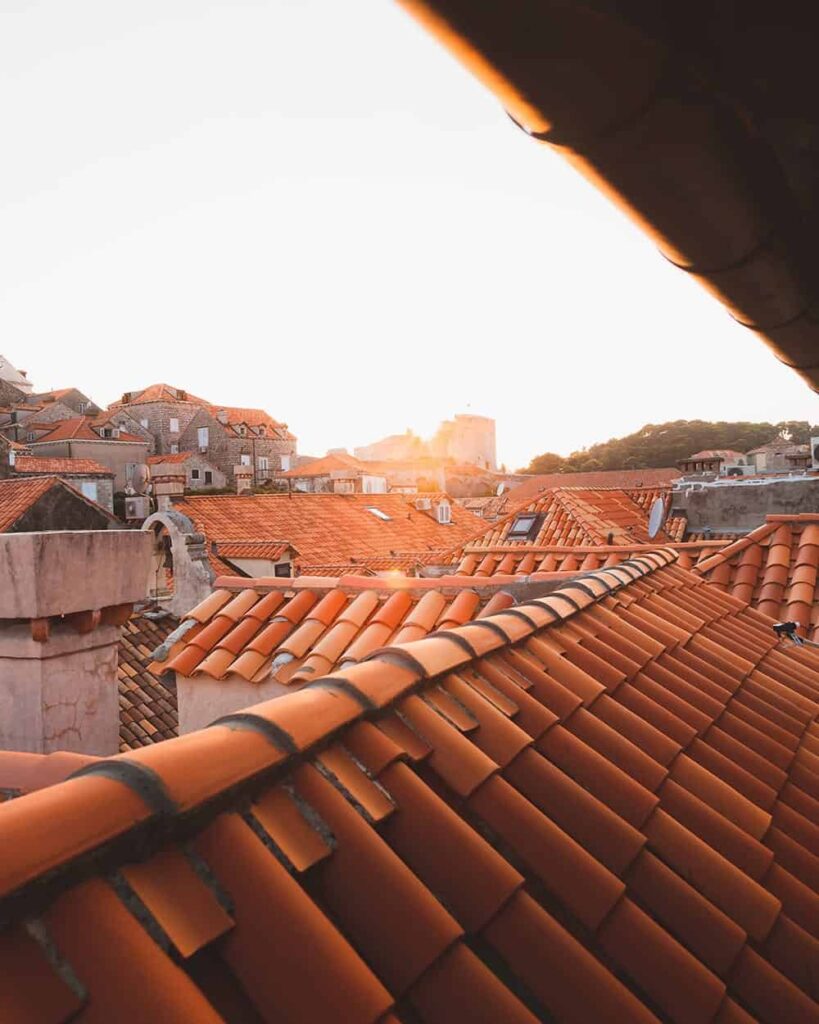
The classic look for a lot of San Francisco’s older housing stock. Heavy, durable, and — installed and maintained correctly — can outlast the house they’re sitting on.
TPO Flat Roof Membrane
Single-ply, heat-welded, reflective. Pretty much the modern standard for flat commercial and residential roofs alike at this point.
Modified Bitumen & Torch Down Systems
Multi-ply, asphalt-based systems applied with heat or cold adhesive depending on the job. A long track record on SF’s flat roof stock specifically.
Skylight Installation & Glazing
Properly flashed skylight units, energy-efficient glazing options, and — this matters more than most people realize — correct curb height so water doesn’t sit against the frame.
main REASON TO CHOOSE US
Our Process — What Happens When You Call Us
The most common complaint SF homeowners have about roofers is not price — it is communication. Here is exactly what happens when you contact us, in the order it happens:
Step 1: You Call or Submit a Request — We Respond Within 2 Hours
When you reach out, a real person responds. We ask you three questions: What is the problem as you see it? What type of roof do you have? What is your timeline? That is enough for us to schedule your inspection.
Step 2: Free In-Person Inspection — We Get on the Roof
We come out to your property. We physically get on the roof — not just look from the ground. We use a drone for high-pitch or complex configurations. We conduct a water test if the leak source is not immediately obvious. We document everything with photos and video, which we share with you the same day.
Step 3: Written Quote — Itemized, No Surprises
You receive a written quote that specifies: material by brand and product name, labour cost, DBI permit fee, decking inspection scope (and what happens if dry rot is found), project duration, and warranty terms. There is no pressure to decide on the spot. We will answer every question you have before you sign anything.
Step 4: We Pull the Permit — You Do Nothing
Once you approve the scope, we file the DBI permit. We coordinate the permit timeline with your project schedule. You do not need to visit any city office or track any paperwork.
Step 5: Project Execution — Daily Photo Updates
The crew arrived when we said they would. You receive photo updates at each phase. If we find decking damage during tear-off, we document it, show you the photos, and get your approval before doing anything additional. Your job site is clean at the end of every day.
Step 6: City Inspection and Final Sign-Off
We schedule and attend the DBI final inspection. When the inspector signs off, you receive a copy of the completed permit for your records. Your new roof is now officially documented with the city — important for property insurance and future home sale disclosure.
Roofing Costs in San Francisco — Honest 2026 Pricing
People often see per-square-foot numbers online that were written by someone in Oklahoma. San Francisco is different. Labour costs are higher (unionised roofing labour in SF typically runs $80–$120 per hour), parking permits for large vehicles run $50–$150 per day, DBI permits add $257–$800+, and the cost of insured, licensed workers’ compensation coverage in California is significantly higher than national averages.
Here is what SF homeowners actually paid in 2024–2026 based on real market data:
| Project Type | Typical SF Range | What Affects Price | Reddit / Community Reference |
| Flat roof replacement — 1,200 sqft modified bitumen | $13,000 – $22,000 | Number of plies, material brand, decking condition | “About $18K for a 1,200 sqft flat roof” — r/sanfrancisco |
| TPO flat roof replacement — 1,500 sqft | $18,000 – $28,000 | Mil thickness, deck condition, HVAC penetrations | “We paid ~$20K for TPO (white and reflective)” — r/sanfrancisco |
| Victorian steep-slope re-roof — 1,500 sqft | $22,000 – $45,000 | Pitch, turret/dormer flashing, heritage material requirements | Pacific Heights / Noe Valley market pricing 2025–2026 |
| Partial flat roof re-roof / large section repair | $5,000 – $12,000 | Size of affected area, access, material match | “Quoted $10K for patch job on 1,200 sqft flat” — r/sanfrancisco |
| Foam flat roof (spray polyurethane) | $10,000 – $18,000 | Square footage, coating thickness, existing substrate condition | Generally not recommended for SF — see foam section above |
| Roof repair (leak, flashing, section) | $800 – $5,000 | Scope of damage, access, material type | Emergency repairs during atmospheric rivers — book early |
| Silicone roof coating — 1,200 sqft | $4,500 – $9,000 | Existing roof condition, mil thickness applied | Best value if existing flat roof is structurally sound |
| Skylight installation (single, standard) | $1,500 – $4,500 | Size, roof type, flashing complexity (especially clay tile) | Clay tile flashing = premium on SF curved tile roofs |
| DBI Permit (all re-roof projects) | $257 – $800+ | Project scope and valuation | Required for virtually all re-roofing in SF — we handle it |
NOTE: You Get quote and includes a physical roof inspection. we offer best Price ranges near general market estimates — your actual quote may fall above or below depending on specific conditions. The most important thing is to get an itemized written quote before you agree to anything.
Licensed, Insured, and Accountable to San Francisco
🏆 California C-39 Roofing Contractor License — verified and current
🏆 Fully insured: General Liability, Workers’ Compensation, Commercial Auto — all California-compliant
🏆 DBI permit experience across all 18 SF neighbourhoods — we know the local inspectors and the process
🏆 BBB Accredited — A+ rating maintained
🏆 GAF / Owens Corning certified — manufacturer warranty backing on qualifying installs
🏆 All work by our in-house licensed crew — never subcontracted to unknown labour
🏆 ARCBAC (Associated Roofing Contractors of the Bay Area and California) member
Our Warranties
We back our work with written warranties:
● Workmanship warranty: 5 years on all repair work, 10 years on full replacements — covers any leak or failure caused by our installation, not material defect
● Material warranty: varies by product — GAF Timberline architectural shingles carry a Lifetime limited warranty; TPO membranes carry 15-year or 20-year manufacturer warranties depending on specification
● Flat roof systems: 3-ply SBS modified bitumen carries a 15-year system warranty when installed to manufacturer specification
All warranties are transferable to new owners if you sell your home — a documented plus in SF’s real estate market where roof condition is a standard disclosure item.
quality Services
We’re Providing Quality
Roofing Services
Clients
Projects
Experts
FAQs About Roofing in San Francisco
Contact us
Need Roofing Services?
Call To Ask Any Question
+16282214900