
Roofing in Alameda | Repair, Replacement & Victorian Roof Specialists
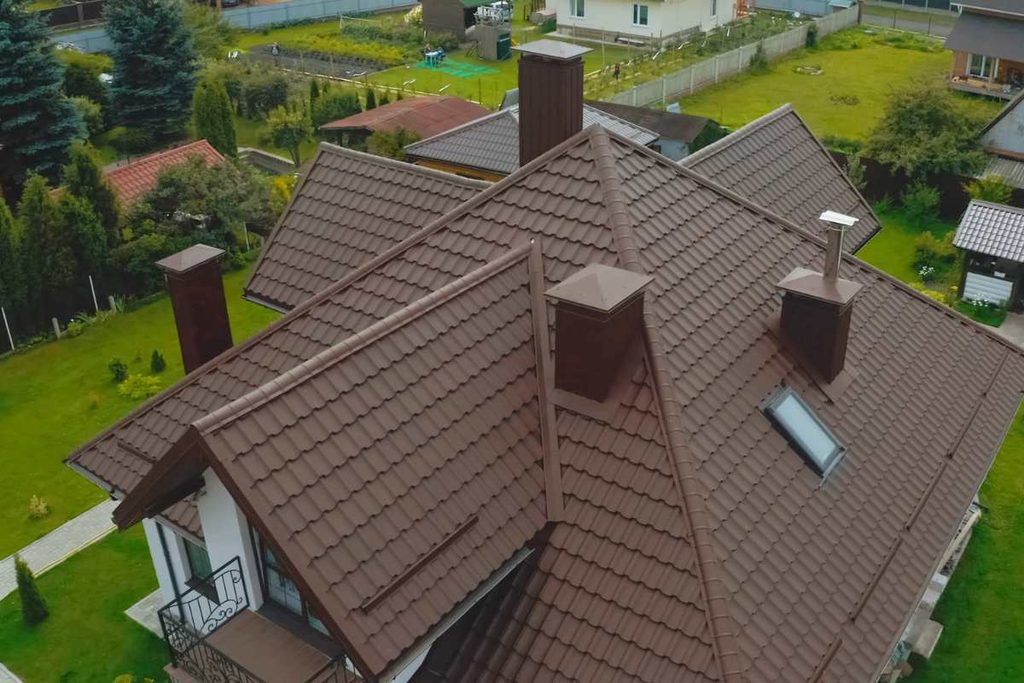
Alameda is an island city, and its roofs know it. Salt air off the bay and the estuary corrodes flashing and fasteners, Victorian homes hide ventilation problems behind beautiful old roofs, and Bay Farm Island’s flat-roofed condos leak in completely different places from a Gold Coast steep pitch. We repair, replace, and leak-proof roofs across Alameda, Alameda County, built for island conditions. Most roof repairs run 450–1,800. A typical full replacement runs 17,000–42,000 depending on size and material. Full reroofs need a permit from the City of Alameda Permit Center, and we pull it. Call (833) 804-6249 for a detailed roof inspection and a written scope.
Why Alameda Roofs Fail Differently From Mainland Roofs
Alameda sits in San Francisco Bay, connected to Oakland by tubes and bridges, with water on nearly every side. That geography writes the failure list.
- Salt air corrosion. Bay and estuary air corrodes galvanized flashing and exposed fasteners faster than the same materials last inland. A roof that looks fine from the street can be leaking at every fastener line, because the metal gave up before the shingles did. Stainless fasteners and marine-grade flashing detail are the baseline here, not an upgrade.
- Victorian ventilation problems. Alameda has one of the highest concentrations of pre-1940 homes in the Bay Area, and many Victorian assemblies were built with minimal attic ventilation. A reroof that copies the old roof exactly, without fixing ventilation, cooks shingles from below and traps moisture above. Ridge or gable vent additions belong in the scope, not as an afterthought.
- Bay Farm flat-roof ponding. Bay Farm Island’s 1970s–90s townhomes and condos mostly carry flat or low-slope roofs. Flat roofs do not fail in the field first — they fail at drains, parapets, and seams, where ponding water sits for days after rain.
- Seismic movement. Small tremors over decades work on old flashing, joints, and rigid details. A hairline crack opened by movement becomes a leak path in the next atmospheric river, even when nothing looks damaged from the ground.
- Fog-belt dampness. Like the rest of the bay shoreline, Alameda roofs stay damp long after rain stops. Dampness grows moss on shaded slopes and rots underlayment underneath tile and shingle alike.
Alameda’s Island Zones: Same City, Different Roof
A Gold Coast Victorian and a Bay Farm condo do not share a roofing problem just because they share a ZIP prefix. Any roofer who quotes both the same way is guessing.
| Zone | Neighborhoods | What Hits Hardest | What the Roof Needs |
| Historic Victorians | Gold Coast, East End | Steep pitches, period materials, low ventilation, salt air | Period-appropriate materials, ventilation fix, corrosion-resistant flashing |
| Island residential | West End, Fernside, Park Street District, Downtown | Older mixed stock, fog dampness, wind off the bay | Full flashing renewal, moss and underlayment check |
| Bay Farm flats | Bay Farm Island, Harbor Bay Isle, South Shore | Flat-roof ponding, parapet and drain failures, HOA rules | Drainage-first detailing, membrane and parapet work, HOA coordination |
| Redevelopment mixed-use | Alameda Point, Marina Village, Crown Harbor, Ballena Bay | Mixed commercial and residential roofs, newer systems | Flat and low-slope systems, building-wide programs |
Alameda Point deserves its own note. The former Naval Air Station, closed in 1997, is now a redevelopment zone of mixed-use properties. Those roofs are newer systems on larger buildings — a different job from a Victorian reroof, with different staging, access, and documentation needs.
Roofing Services in Alameda
- Alameda roof repair. Isolated leaks, lifted or missing shingles, cracked flashing, failed pipe boots, and wind-damaged sections. Most repairs fall in the 450–1,800 range.
- Roof replacement in Alameda. Full tear-off and reroof in architectural shingle, tile, or metal, with new underlayment, flashing, and ventilation sized for island exposure.
- Alameda roof leak repair. We trace water back to its real entry point — a valley, a skylight curb, a parapet seam — instead of patching the stain on your ceiling. Our full roof leak repair guide explains how leak tracing works.
- Victorian and historic roofing. Period-sensitive reroofs for Gold Coast and East End homes: steep pitches, architectural profiles that suit the house, and ventilation corrected as part of the job, not skipped.
- Flat and low-slope roofing. TPO membranes, torch-down modified bitumen, and silicone coatings for Bay Farm condos, townhomes, and commercial buildings, with parapet flashing and ponding fixes. See our flat roofing and roof waterproofing pages for how those systems work.
- Tile roofing. Clay and concrete tile repair and replacement, including lift-and-relay where the tile is sound but the underlayment underneath has rotted out. Lift-and-relay typically costs 40–60% less than a full tile replacement.
- Skylight and flashing work. Skylights are a top leak point on Alameda roofs, old and new. See our skylight installation guide and roof flashing repair guide for how we detail curbs, step flashing, and valleys.
How Much Does Roofing Cost in Alameda?
Prices below are the ranges we use across the Bay Area, including Alameda. Your written quote depends on your roof’s size, pitch, layers, access, and what the inspection finds underneath.
| Job | Typical Cost |
| Roof repair | $450 – $1,800 |
| Architectural shingle replacement | $6.50 – $10 per sq ft |
| Concrete tile replacement | $12 – $20 per sq ft |
| Clay tile replacement | $15 – $25 per sq ft |
| Standing seam metal | $12 – $20 per sq ft |
| TPO flat roofing | $7 – $11 per sq ft |
| Torch-down / modified bitumen | $8 – $13 per sq ft |
| Silicone roof coating | $3.50 – $6 per sq ft |
| Full roof replacement (typical home) | $17,000 – $42,000 |
Worked example: a typical 1,800–2,000 sq ft Alameda home usually lands in the 17,000–28,000 band for an architectural shingle replacement once tear-off, underlayment, flashing, ventilation, and permit are included. Tile or metal on the same home runs higher. Steep Victorian pitches, multiple layers to tear off, difficult island access, and a long flashing list all push the number up — that is why a real quote follows a detailed inspection, not a phone guess.
A warning about low quotes: if a quote comes in far below these ranges, ask what was left out before you celebrate. The most common omissions are decking repair, flashing renewal, ventilation work, and permit handling. A quote that skips all four is not cheaper — it is incomplete, and the missing items show up later as leaks, failed inspections, or a second bill.
Roof Repair or Full Reroof? How to Tell in Alameda
Repair is usually enough when:
- The leak is isolated to one area — one valley, one skylight, one flashing run
- The roof is under 15 years old and the rest of it looks sound
- Damage is limited to a small section of lifted or missing shingles
- The deck underneath is solid and dry
Reroof when:
- The roof is 20+ years old with widespread curling, cracking, or granule loss
- You have multiple leaks in different areas
- The deck is sagging or soft, or you can see daylight through the roof boards
- The underlayment has rotted out beneath otherwise good tile — that is a lift-and-relay or reroof, not a patch
On a Victorian, add one more signal: if the attic has no real ventilation and the shingles are curling from heat as well as age, a reroof without a ventilation fix just restarts the same failure.
Alameda Roof Permits and Building Rules
A full roof replacement in Alameda needs a building permit. Permits run through the City of Alameda Permit Center, 2263 Santa Clara Avenue, Room 190, Alameda, CA 94501, phone 510-747-6800, open 7:30 a.m. to 3:30 p.m., Monday through Thursday. We pull the permit for your job and handle the inspection scheduling — you should never have to chase paperwork yourself.
Three more things to know before a reroof:
- Title 24 cool-roof rule. California’s prescriptive reroof rule generally requires a cool roof when more than 50% of a roof steeper than 2:12 slope is replaced. There are several code-listed alternatives — air space above the deck, a high-profile roofing product, sealed and insulated ducts, added attic insulation, a radiant barrier, or insulation above the deck — and which one applies depends on your roof. Do not let anyone quote you a cool-roof spec without checking it against your specific job.
- Historic homes need an extra check. Visible material changes on historic East End and Gold Coast homes can trigger additional review. Confirm with the Permit Center before choosing materials, so a finished roof does not become a compliance problem.
- Bay Farm condos need HOA coordination. Flat-roofed condo reroofs often need HOA approval alongside the city permit. Check your HOA’s requirements early — an HOA letter submitted with the permit application saves weeks compared to discovering the requirement after work is scheduled.
Commercial Roofing in Alameda
Alameda’s commercial roofs cluster in two places: Harbor Bay Business Park at the south end of Bay Farm Island, a master-planned park of biotech, medical device, and life-science companies, and the Alameda Point redevelopment zone. Both need the same systems as residential flat roofs — TPO, torch-down, and silicone coatings — at a scale where failure costs more: a leak over offices, labs, or inventory is an operations problem, not a stain.
We handle commercial and multi-unit work including HOA and board coordination, phased sections so buildings keep operating, and building-wide programs covering flat roofs, parapets, and pedestrian decks on one inspection cycle. Our commercial roofing page covers how we schedule commercial work so your business keeps running during the job. If your building sits just across the estuary in Oakland, see our roofing in Oakland page.
Storm Damage and Emergency Roof Repair in Alameda
Atmospheric river storms are Alameda’s real roof test. When a leak starts mid-storm, do this:
- Move belongings away from the leak and put a bucket under the drip.
- Do not climb onto a wet roof yourself. Wet island roofs are slick, and steep Victorian pitches are dangerous when wet.
- Call for emergency help. Temporary tarping stops the water; permanent repair follows once the roof is dry enough to work on safely.
- Take photos of the leak, the stain, and any visible exterior damage before anything is touched. Insurers want documentation, not descriptions.
We document storm damage the way insurers need it: photos, a written assessment, and a clear scope. One legal line that matters: in California, a roofer waiving or absorbing your insurance deductible is illegal. Any contractor who offers to “handle your deductible” is telling you to break the law with them.
Alameda Neighborhoods We Serve
From Crown Memorial State Beach and the Gold Coast to the Alameda Theatre on Park Street, the USS Hornet Museum at Alameda Point, and the Bay Farm Island shoreline, we work across the whole island — historic, residential, and commercial alike.
| Neighborhood | What We See Most There |
| Gold Coast | Victorian waterfront homes, steep pitches, salt air, period materials |
| East End | Historic Victorians, architectural review checks, steep roofs |
| West End | Older mixed stock, fog dampness, wind off the bay |
| Bay Farm Island | Flat-roofed condos and townhomes, ponding, parapet and drain failures |
| Alameda Point | Mixed-use redevelopment, larger flat and low-slope systems |
| Fernside | Older residential streets, fog and underlayment wear |
| Marina Village | Waterfront homes, salt corrosion, wind exposure |
| Harbor Bay Isle | Business park edges, commercial flat roofs |
| South Shore | Bay Farm area homes, flat roofs, HOA coordination |
| Park Street District | Downtown mixed buildings, flat roofs over shops |
| Crown Harbor | Waterfront homes, salt air, wind-driven rain |
| Ballena Bay | Bay-facing homes, corrosion-resistant flashing needs |
ZIP codes served: 94501, 94502. Alameda is a two-ZIP island city of about 78,280 people (2020 Census), incorporated in 1854, known as “The Island City.” The 94501 ZIP covers the main island; 94502 covers Bay Farm Island.
How to Choose a Roofing Contractor in Alameda
Use this checklist on every quote, including ours:
- Licensed and insured C-39 contractor. Verify any roofer’s license at cslb.ca.gov before you sign anything.
- Written scope, not a verbal number. Material, underlayment, flashing work, ventilation, tear-off layers, permit handling, and cleanup — all in writing.
- Permit handling included. Your contractor pulls the City of Alameda permit. If they suggest skipping it, walk away.
- Deposit within California law. The legal deposit cap is $1,000 or 10% of the contract price, whichever is less. Never pay most of the job upfront.
- Local references you can check. Ask for recent Alameda jobs, not just Bay Area jobs. A roofer who has never worked a Victorian steep pitch or a Bay Farm flat condo will not spec your roof right.
- No pressure, no same-day sign-or-lose-it discount. A roof is a five-figure decision. Sleep on it.
Our Roofing Process in Alameda
- Detailed inspection. We walk the roof, photograph what we find, and check the attic side where access allows. You see the same photos we see.
- Written scope and price. Material, layers, flashing, ventilation, permit, timeline, and cleanup — one document, no vague line items.
- Permit and scheduling. We pull the City of Alameda permit and schedule around weather, not just around our calendar.
- Installation. Tear-off, underlayment, flashing, and roofing, with daily cleanup. Island jobs get the corrosion-resistant fastener and flashing spec as standard.
- Final walkthrough. We walk the finished roof with you, hand over the written workmanship warranty and manufacturer material documentation, and leave the property clean.
Why Homeowners in Alameda Call Us
We are a Bay Area roofing contractor, not a statewide call center. We know which Alameda streets take direct bay spray, which Victorian attics need ventilation fixed with the reroof, and which Bay Farm condos need HOA letters before a permit. Every job gets a written scope, a pulled permit, and a finished roof we walk with you before we leave. If your roof is leaking after the first winter rain, or you are weighing repair against reroof, call (833) 804-6249. We will tell you honestly which one you need.
- NAICS Code 238160 – Roofing Contractors
- SIC Code 1761 – Roofing, Siding, and Sheet Metal Work
- NACE Rev. 2 Code 43.91 – Roofing activities
- ISIC Rev. 4 Code 4390 – Other specialized construction activities