
Roofing in Richmond, VA | Repair, Replacement & Storm Damage Specialists
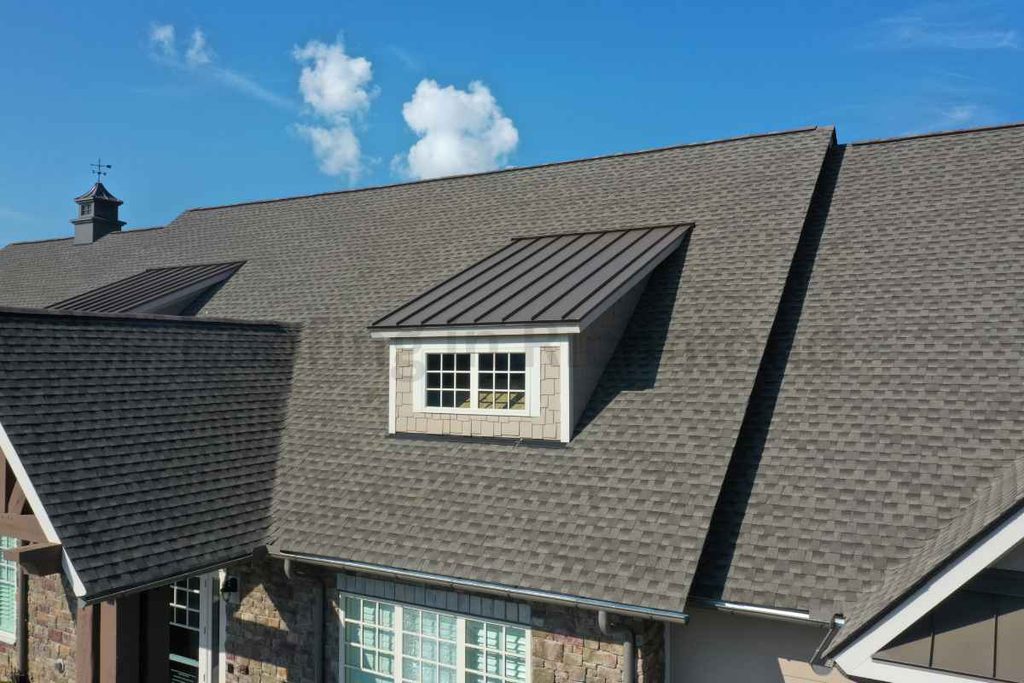
- Roofing in Richmond, VA means working in a humid subtropical climate with about 44 inches of rain a year, hurricane remnants up the I-95 corridor, and more than 22,000 historic buildings.
- A typical architectural shingle replacement in Richmond runs roughly 9,000–18,000 for most homes, with asphalt shingles generally priced at 3.50–7.00 per square foot.
- Virginia requires a permit for roof tear-off and replacement under the Virginia Uniform Statewide Building Code, and the licensed contractor pulls it.
- Visible roof changes in Richmond’s historic districts need Commission of Architectural Review approval.
- Architectural asphalt shingles last roughly 20–25 years in Virginia with balanced attic ventilation; metal lasts roughly 40–60 years.
- The best replacement timing is April–June and September–October; July–August humidity slows shingle sealing, and winter cold below 40°F prevents proper bonding.
Quick Answer: Roofing in Richmond
Roofing in Richmond, VA is repair, replacement, and storm work for homes in a humid, storm-exposed, history-heavy city. Most Richmond homes wear architectural asphalt shingles, with standing-seam metal and natural or synthetic slate on older and higher-end homes, and EPDM rubber or TPO on flat and low-slope roofs. A full architectural shingle replacement typically costs 9,000–18,000 for most homes, and a permit is required for tear-off and replacement. If your roof is leaking, missing shingles after a storm, or past 20 years old, a detailed inspection will tell you whether repair or replacement is the right call. This guide covers costs, materials, permits, storm claims, and how to vet a Richmond roofing contractor.
Why Richmond Roofs Fail Differently
Richmond sits on the fall line of the James River, where the Piedmont Plateau meets the Tidewater coastal plain. That geography drives everything about roofing here.
Humidity and rain. Richmond gets roughly 44 inches of rain a year with humid Mid-Atlantic summers. Constant moisture feeds the black algae streaks you see on roofs across the city, and it punishes poor attic ventilation. Shingle failure in Virginia almost always traces back to undersized ventilation, unrepaired wind damage, or both.
Storms. Piedmont thunderstorms carry hail and wind cores, and hurricane remnants track up the I-95 corridor into Richmond. Richmond sits in a lower wind zone than Virginia Beach or Norfolk, but wind-driven rain and tree impact are still the most common storm claims. Richmond’s heavy tree canopy is part of the charm and part of the risk: a falling limb through a roof is a real Richmond story, not a hypothetical.
Historic stock. The Richmond area holds more than 22,000 historic buildings. The Fan, Monument Avenue, Church Hill, and Jackson Ward carry slate, metal, and complex rooflines that a shingle-only crew should not touch. Visible roof changes in the city’s historic districts need Commission of Architectural Review approval before work starts.
What this means for you: a Richmond roofer who only talks about shingles is not enough. You need someone who handles ventilation, algae-resistant shingles, storm documentation, and historic-district rules in the same job.
Roofing Services in Richmond, VA
Roof repair in Richmond, VA
Leak repair, missing and damaged shingles, flashing repair, and storm damage repair. Most repairs make sense when damage is isolated: one leak, a few shingles, one flashing failure. Repeated leaks in the same area, or leaks in multiple areas, usually mean the roof system is failing, not one detail.
Roof replacement in Richmond
Full tear-off and replacement with architectural shingles, standing-seam metal, or slate and synthetic slate. Replacement is the right call when the roof is near the end of its lifespan, damage is extensive, the deck is sagging, or repairs keep recurring.
Flat roofing in Richmond
EPDM rubber and TPO for low-slope and flat roofs on homes, additions, and commercial buildings. EPDM typically lasts 20–30 years in Richmond’s humid, rainy climate when seams are maintained. Tar and gravel still exists on older Richmond flat roofs, but TPO and EPDM are lighter and easier to repair.
Storm damage and insurance claim
Wind, wind-driven rain, hail, and tree impact documentation, adjuster meetings, and claim supplements when a carrier estimate falls short. Photograph damage before any repair, keep damaged materials where possible, and file promptly: many Virginia carriers require claims within 12 months of the date of loss, so check your policy rather than assuming you have unlimited time.
Gutters, siding, windows, skylights, and chimney flashing
Seamless gutters and gutter guards, siding installation and repair, window replacement, skylight installation and leak repair, and chimney flashing repair and replacement. Gutters matter more in Richmond than in drier cities: 44 inches of rain has to go somewhere, and failed gutters rot fascia and flood foundations.
Roof waterproofing
Flat-roof waterproofing with coatings and membrane systems for homes and commercial buildings where ponding water and seam failure are the main threats.
How Much Does a Roof Cost in Richmond, VA?
Published Richmond ranges vary because roof size, pitch, layers, and material drive the price. The ranges below come from published Richmond and Virginia guides, and your written estimate is the only figure that counts for your home. See the full breakdown on the Richmond roofing cost guide page.
| Material | Typical per sq ft | Typical Total for Most Homes | Typical Lifespan in Virginia |
|---|---|---|---|
| Architectural asphalt shingles | $3.50 – $7.00 | $9,000 – $18,000 | 20–25 years |
| Class 4 impact-resistant shingles | Higher than standard architectural | Above standard range | 24–30 years |
| Standing-seam metal | Higher than shingles | $25,500 and up | 40–60 years |
| Natural slate | Highest | Well above metal, mansion-scale | 50 years and up |
| EPDM or TPO flat roof | Varies by system and size | Varies by roof area | 20–30 years |
Worked example, labelled arithmetic. A 2,000 square foot Richmond roof at published Richmond metro ranges runs roughly 12,000–21,000 for a full replacement. A 2,400 square foot roof at $4.50 per square foot works out to about $10,800. These are published ranges, not quotes: pitch, multiple rooflines, dormers, steep slopes, decking condition, and the number of layers being removed all move the real number.
Why quotes differ. Two Richmond quotes for the same roof can differ by thousands for honest reasons: shingle quality and algae resistance, six-nail versus four-nail patterns, underlayment quality, ventilation upgrades, decking replacement, disposal, and permit fees. A low quote that skips ventilation or uses thinner underlayment is not a bargain; it is a shorter roof life. Compare written estimates line by line: material, underlayment, ventilation, flashing, decking, disposal, permit, and warranty terms in writing.
Low-quote warning. Never sign on a verbal price, a price with no material named, or a quote that cannot explain why it is far below the others. Get the scope in writing before any deposit is paid.
The Best Roofing Material for Richmond, VA
Architectural asphalt shingles. The best balance of durability, warranty, and cost for most Richmond homes. Choose algae-resistant shingles for the streaking problem, and a six-nail pattern with starter strips at eaves and rakes for wind resistance. Inland from Richmond west, 110 mph-rated shingles meet code; coastal Virginia needs 130 mph ratings, which is a useful reminder that Richmond is not a coastal wind zone.
Standing-seam metal. Costs more up front and lasts 40–60 years. Strong in storms, strong against algae, and a good fit for homeowners planning to stay long term. Metal installation must follow the Virginia Uniform Statewide Building Code for wind resistance and flashing, and proper ventilation must be maintained to avoid condensation.
Natural and synthetic slate. The right answer for Fan and Monument Avenue homes where the original roof is slate and the district expects period-compatible materials. Natural slate is the most expensive option and needs a crew that actually works in slate. Synthetic slate mimics the look at lower weight and cost.
EPDM rubber and TPO. The standard flat-roof systems in Richmond. EPDM is highly repairable: punctures and seam issues are fixed with patches and adhesives. TPO adds reflectivity for heat. Both need maintained seams in Richmond’s rain.
Richmond Roofing Permits and Historic-District Rules
Virginia requires a permit for roof tear-off and replacement in every locality under the Virginia Uniform Statewide Building Code. The licensed contractor pulls the permit, and unpermitted reroofs can complicate insurance claims and home resale. Reported Richmond City permit fees run roughly 120–275 with online issuance, but confirm the current fee at filing.
If your home sits in one of Richmond’s historic districts, visible roof changes need Commission of Architectural Review approval. That covers material, color, and profile on street-visible slopes in districts like the Fan, Monument Avenue, and Jackson Ward. Get the approval before ordering material, not after the old roof is off. A contractor who has never filed a CAR application is not the contractor for a historic-district roof.
Storm Damage Roof Repair in Richmond, VA
Richmond storm work follows a sequence, and skipping a step costs money.
- Document first. Photograph damage from the ground and, if safe, the roof. Photograph ceilings and attic stains inside. Keep the date of the storm.
- Stop the water. Emergency tarping and temporary repair come before permanent repair. Do not wait for an adjuster while water keeps entering.
- Get a detailed inspection. A written report with photos, measurements, and a scope of work is what an adjuster actually uses.
- Meet the adjuster on site. Your contractor should be present to walk the roof and explain the scope. Carrier estimates that fall short get supplemented with documentation, not arguments.
- File promptly. Many Virginia carriers require claims within 12 months of the date of loss. Read your policy for your deadline.
Hail damage in Richmond is often invisible from the ground: bruised shingles, granule loss in gutters, and dented vents and flashing. Wind damage shows as lifted, creased, or missing shingles. Tree impact is the most obvious and the most urgent, because it usually opens the roof deck itself.
How to Vet a Roofing Contractor in Richmond, VA
Ask every contractor these questions before signing anything, and verify the answers instead of accepting them.
- Are you licensed in Virginia? Virginia roofing contractors hold a license through the Department of Professional and Occupational Regulation (DPOR). Verify the license in DPOR’s lookup before signing. An unlicensed or improperly classed roofer can jeopardize your ability to use the Virginia Contractor Transaction Recovery Fund if work is defective.
- Are you insured? Ask for proof of general liability and workers’ compensation insurance, and certificates before work begins. An uninsured contractor creates real liability for the homeowner if a worker is injured on the jobsite.
- Is the crew in-house or subcontracted? Both models exist, but you should know which one you are hiring.
- What manufacturer certifications do you hold? GAF Master Elite, Owens Corning Platinum, and CertainTeed SELECT ShingleMaster are the certifications that matter for shingle work. Materials commonly used in Richmond include Tamko, Owens Corning, and GAF.
- Can I see local references from the past 12 months? Recent Richmond-area jobs, not a portfolio from another state.
- What is in writing? A written contract with scope, materials, payment schedule, start and completion dates, and warranty terms for both materials and workmanship, before any deposit is paid.
- Who pulls the permit? The contractor should. If the answer is “you do,” walk away.
Historic Homes: Slate, Metal, and the Fan District
Richmond’s historic homes need a different conversation from a suburban shingle replacement. Slate roofs on Fan and Monument Avenue homes last generations when maintained, and they fail at flashings, valleys, and fasteners long before the stone itself wears out. A slate repair is often a flashing and fastener job, not a replacement job. Metal roofs on historic homes need period-compatible profiles and colors, and CAR approval for visible changes. If a contractor proposes tearing off a repairable slate roof and replacing it with architectural shingles without discussing repair first, get a second opinion.
When to Replace a Roof in Richmond, VA
April through June and September through October are the ideal windows. July and August humidity slows shingle sealant activation, and December through February temperatures below 40°F prevent proper bonding. That does not mean winter work is impossible, but it means winter work needs a crew that knows cold-weather installation.
Replace rather than repair when you see curling or missing shingles across multiple slopes, granule loss filling the gutters, daylight through the attic, a sagging deck, recurring leaks, water stains on ceilings, or moss and algae growth that has taken hold across the roof. A roof past 20 years with any two of those signs is usually a replacement, not a repair.
Richmond Neighborhoods We Serve
| Neighborhood | What the Roofs Look Like | What to Watch For |
|---|---|---|
| The Fan | Historic slate, metal, and complex rooflines | CAR approval, slate repair vs replacement |
| Church Hill | Historic homes, steep slopes | CAR approval, flashing and valley wear |
| Jackson Ward | Historic row homes and flat sections | CAR approval, flat roof seams |
| Carytown | Mixed historic and commercial | Flat roofs, storefront drainage |
| Museum District | Historic homes near the museums | Slate and metal maintenance |
| Short Pump | Newer subdivisions, architectural shingles | Algae streaking, ventilation |
| Midlothian | Subdivisions and larger homes | Storm wind, hail, tree impact |
| Glen Allen | Subdivisions, mixed ages | Aging shingles, gutter capacity |
| Mechanicsville | Subdivisions and rural edges | Wind, trees, longer drive times |
| Chesterfield | Large suburban stock | Ventilation, algae, storm claims |
| Henrico | Mixed suburban and commercial | Flat roofs, storm drainage |
| Hanover | Suburban and rural homes | Trees, wind, older roofs |
| Ashland | Small town and suburban | Aging roofs, storm exposure |
| Petersburg | Historic and older housing | Deferred maintenance, flat roofs |
| Powhatan | Rural and large lots | Trees, wind, access |
| Tuckahoe | Established suburbs | Aging shingles, gutters |
Service also extends to Fredericksburg, Charlottesville, and Williamsburg for larger projects, and across the Greater Richmond area from Petersburg to Ashland and Powhatan to New Kent.
Our Roofing Process
- Detailed inspection. Roof, attic, ventilation, flashing, gutters, and deck condition, documented with photos.
- Written estimate. Scope, materials, ventilation, flashing, decking, disposal, permit, and warranty terms in writing.
- Permit and approvals. The contractor pulls the VUSBC permit and files any CAR application for historic districts.
- Installation. Tear-off, decking repair, underlayment, flashing, shingles or system installation, ventilation, and cleanup, with the roof tarped every night if work spans days.
- Final walkthrough. You walk the finished roof scope with the contractor, receive warranty documents, and keep the permit record for resale.
What Most Richmond Roofing Pages Do Not Tell You
Most Richmond roofing pages publish no prices at all, no permit process, no material comparison, and no storm-claim process. One local competitor’s FAQ answers are even mismatched, with the licensing answer attached to the wrong question. This page publishes the ranges, the permit rule, the historic-district rule, and the claim sequence because those are the four things Richmond homeowners actually need before signing. No page can quote your roof without seeing it, but a page that hides every number and every process is not helping you decide.
Why Homeowners in Richmond Call Us
Richmond roofing is not a commodity job. Humidity, storms, trees, and historic districts each change the right answer, and the wrong answer costs a roof life. A contractor who explains ventilation, names the material, pulls the permit, files the historic approval, and documents storm damage properly is worth more than the lowest quote on the street.
NAICS Code 238160 – Roofing Contractors
SIC 1761 / NACE Rev. 2 43.91 / ISIC Rev. 4 4390