
Tile Roofing San Francisco | Clay & Concrete Tile Repair & Restoration
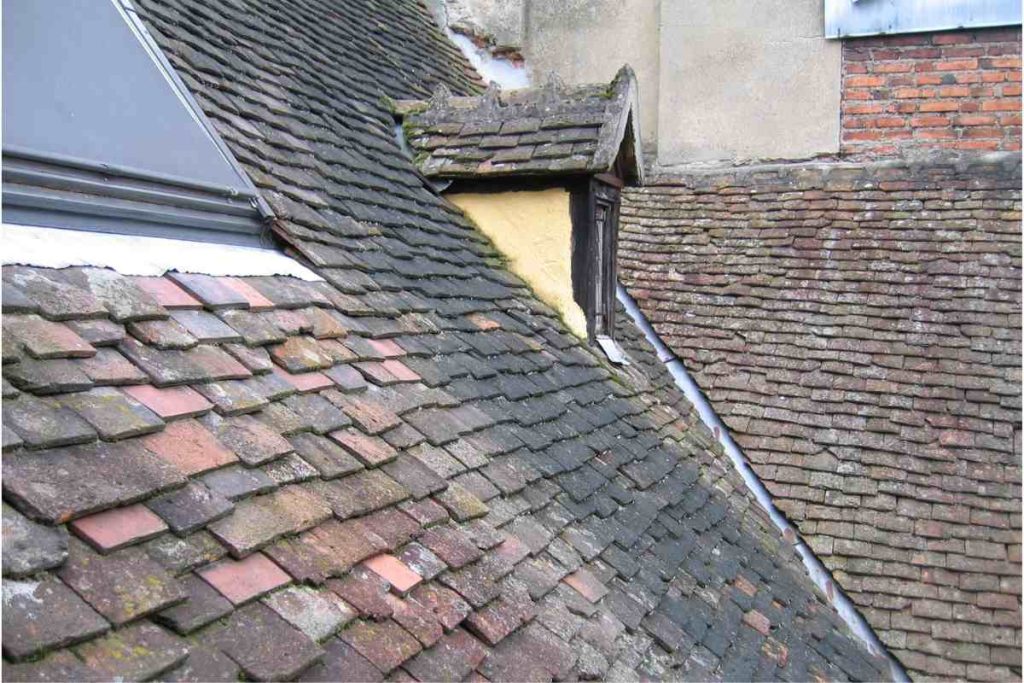
If you own one of San Francisco’s Spanish Revival, Mission Revival, or Mediterranean-style homes — the kind with the terracotta or gray barrel tile roof you see all over St. Francis Wood, Forest Hill, Sea Cliff, and the Marina District — you’ve probably already learned one thing the hard way: tile roofs don’t fail the way people think they do.
We’ve walked hundreds of tile roofs across San Francisco and the Bay Area, and the question we get asked more than any other isn’t “how much does a new tile roof cost.” It’s “do I actually need a new roof, or is something else going on?” Usually, it’s something else going on. Here’s everything you need to know, explained the way we’d explain it standing next to you during a roof inspection.
Is My Roof Clay Tile or Concrete Tile? (How to Tell the Difference)
Before we talk about repair, restoration, or replacement, we need to answer a question that trips up more San Francisco homeowners than anything else: what kind of tile do you actually have?
It sounds basic, but it isn’t. We get calls regularly from homeowners who’ve owned their house for years and genuinely don’t know whether their roof is clay or concrete tile. Here’s how to tell:
- The sound test. Tap a loose or broken piece with something hard. Clay tile tends to produce a higher, almost ringing sound. Concrete tile sounds duller and heavier — more of a thud.
- Check a broken edge. This is the most reliable test. Clay tile is fired through and through, so the color runs consistently from the surface to the core — it’s terracotta (or whatever color) all the way through. Concrete tile is usually gray at the core, with color added as a surface coating or integrated into the mix in a way that often looks different from the painted or glazed surface.
- Weight. Pick up a loose piece if you can safely access one. Clay tile is noticeably lighter than concrete tile of a similar size.
- Surface texture. Glazed clay tile has a glossy, almost ceramic sheen. Concrete tile usually has a more matte, slightly textured surface, sometimes with a visible granular or sand-like finish.
- Profile and manufacturer markings. Many Bay Area tile roofs use recognizable, named profiles — Spanish S-tile, Mission (barrel) tile, flat/Castilian tile. Some manufacturers stamp their name or profile code on the underside of the tile.
If you genuinely can’t tell, that’s completely normal — this is one of the most common things we get asked to confirm during a professional roof inspection, and it takes us about thirty seconds to identify once we’re up there.
Clay vs. Concrete Roof Tile: Which Is Right for a San Francisco Home?
Once you know what you have — or if you’re choosing between the two for a new installation — here’s how they actually compare for San Francisco’s specific conditions, not just generic national advice. For a broader look at how tile stacks up against other options, see our full roofing materials guide.
| Factor | Clay Tile | Concrete Tile |
| Typical lifespan | 50 years, often well beyond — some sources document clay tile roofs in service for a century or more | Roughly 30–50 years depending on the source |
| Weight | Lighter | Heavier — a real consideration on older San Francisco framing (see structural section below) |
| Moisture performance | Lower water absorption, generally performs better in sustained fog/marine moisture | Higher water absorption — more prone to moss, staining, and efflorescence in fog-belt conditions without regular maintenance |
| Color | Fired through the body — holds true color for decades | Often surface-coated — can fade or chalk over time depending on the product |
| Cost | Higher material cost | Lower material cost, more budget-accessible |
| Style match | Required for authentic Mission Revival, Spanish Colonial, and Mediterranean Revival profile matching | Wider range of profiles and colors, including flat and low-profile options |
| Breakage risk | Can chip at corners under foot traffic or impact | Also prone to cracking under impact — neither material handles foot traffic well without care |
Neither material is objectively “better” — the right choice depends on your home’s architecture, your roof’s existing framing, your fog exposure, and how long you plan to own the property. If you’re matching an existing roof rather than starting fresh, the decision is usually made for you by what’s already up there — more on that below.
Why Tile Roofs in San Francisco Actually Fail (It’s Not the Tile)
Here’s the single most important thing to understand about tile roofing, and it’s the thing almost nobody explains clearly before a homeowner gets an unnecessary — or necessary but confusingly presented — reroof quote:
Clay and concrete tile itself can last 50 to 100 years. The underlayment underneath it does not.
The tile you see is essentially the weather-facing layer. The actual waterproofing happens at a layer beneath it — historically a 90-pound felt (“90lb felt”), sometimes installed hot-mopped with asphalt, newer installations using synthetic or self-adhered membranes. That underlayment is what really keeps water out of your home, and it has a much shorter service life than the tile sitting on top of it. This same tile-vs-underlayment confusion is one of the most common roofing problems we diagnose across San Francisco.
What we actually find when we open up an older San Francisco tile roof:
- Brittle, cracked 90lb felt. Older tile roofs were often installed with a mud-set method — tile bedded directly into a mortar patty over the underlayment while it was still wet. Over time, the felt underneath becomes brittle and cracks, typically somewhere in the range of 15 to 30 years depending on the felt weight and installation method (sources vary on the exact window — we verify actual condition on-site rather than guessing by age alone).
- Missing or improperly installed eave closures. A proper eave closure at the bottom edge of a tile roof includes weep holes that let water exit cleanly. Older roofs without one — or with a wood strip substituted for a proper closure — often show rot at the fascia and roof edge, because water gets trapped instead of draining away.
- Dissimilar metal corrosion at flashing. This is a detail most homeowners never hear about: if aluminum flashing or drip edge comes into direct contact with copper flashing, a galvanic reaction causes the aluminum to corrode. A proper installation uses a barrier — typically a peel-and-stick membrane — between the two metals. We check for this specifically on any tile roof with mixed metal flashing.
- Mud-set tile breakage during removal. If your tile was originally bedded in mortar, removing it during an underlayment replacement is genuinely more difficult — you’re essentially breaking apart two layers at once, and breakage rates during removal are higher than with a dry-set (mechanically fastened) system.
This is why, when a tile roof starts leaking, the honest answer is almost never “you need a whole new tile roof.” It’s usually: you need new underlayment, and most of your existing tile can be reused. If you’re seeing active interior staining, our roof leak repair team can help determine exactly where the failure point is before any tile comes off.
Lift-and-Relay Restoration vs. Full Tile Roof Replacement
This is the single most valuable thing a tile roofing contractor can tell you, and it’s the service most homeowners don’t know exists.
A lift-and-relay restoration works like this:
- Existing tile is carefully removed and stacked, tile by tile
- The worn underlayment is stripped off completely
- Any rotted decking or damaged flashing discovered underneath is repaired or replaced
- Fresh, high-temperature-rated underlayment is installed
- A proper eave closure is installed if one wasn’t there originally
- The original tiles are relaid in the same pattern
The result: a fully watertight roof system, at a meaningfully lower cost than a full tear-off and new-tile roof replacement, while keeping the exact architectural profile and weathered character your home and neighborhood are known for.
When we recommend full replacement instead:
- The existing tile is widely cracked, delaminating, or broken beyond a reasonable repair threshold
- The specific tile profile is discontinued and can’t be matched or sufficiently supplemented from salvage
- You’re changing the architectural look of the home entirely
When we recommend lift-and-relay:
- The tile itself is structurally sound, even if it’s decades old
- The leak pattern suggests underlayment failure rather than widespread tile damage
- You want to preserve the original look, which matters enormously on blocks where the tile profile is part of the streetscape — this is common throughout Forest Hill, St. Francis Wood, and Ingleside Terraces
What Tile Roofing Costs in San Francisco
Pricing varies significantly based on tile material, roof pitch and complexity, access, and what’s found once the underlayment is exposed. As general market reference points (not a quote — every roof needs its own written estimate):
- Clay tile tends to run higher on material cost than concrete, reflecting its longer lifespan and manufacturing process
- Concrete tile is generally the more budget-accessible option upfront
- Lift-and-relay restoration is consistently reported as significantly less expensive than full replacement — because you’re paying for labor and new underlayment, not a full set of new tile
- Individual cracked tile repair is typically a modest, per-tile cost — though be aware that a single visit often has a minimum service charge regardless of how many tiles are actually broken, since access (ladders, roof walking, matching) is the bulk of the labor either way
We put every number in writing before any work starts, specific to your roof’s size, pitch, material, and what our inspection finds — not a generic online calculator estimate. Contact us for a free, written assessment.
San Francisco’s Microclimates and How They Affect Your Tile Roof
San Francisco isn’t one roofing climate — it’s several, and tile performs differently depending on where your home sits:
- Fog belt neighborhoods (Sunset District, Richmond District, parts of the Marina) see sustained marine moisture for much of the year. Concrete tile’s higher water absorption makes it more prone to moss and surface staining here than clay, without regular maintenance — see our guide on stopping moss on SF roofs for maintenance tips that apply to tile as well.
- Sun-belt neighborhoods (Noe Valley, Bernal Heights) see more direct UV exposure with less fog protection, which affects surface coatings on concrete tile differently than the fog belt does.
- Wind-exposed areas (Twin Peaks, hillside properties, Sea Cliff’s coastal exposure) put more stress on ridge and hip mortar joints and loose or improperly fastened tile.
- Historic and architecturally significant blocks (St. Francis Wood, Forest Hill, Ingleside Terraces) carry genuine profile-matching expectations — a mismatched tile replacement is visually obvious on these streets in a way it wouldn’t be on a mixed-architecture block.
Structural Weight: A Real Consideration on Older San Francisco Homes
Concrete tile is meaningfully heavier than clay tile. On a modern home built to carry tile loads from the start, this usually isn’t an issue. On an older San Francisco Victorian or Edwardian originally framed for lighter roofing material, switching to — or adding — concrete tile can require structural evaluation and potentially reinforcement before installation.
This is worth confirming with a qualified contractor or structural engineer before committing to a material, particularly if you’re converting a non-tile roof to tile, or upgrading from an older, lighter tile product to a heavier modern concrete profile. We evaluate this directly during every tile roofing consultation rather than assuming your existing framing can automatically handle a material switch.
Common Tile Roofing Problems We See in San Francisco
- Cracked, slipped, or broken tiles — often from wind events, debris, or someone walking the roof without proper technique
- Moss and algae buildup in valleys — common in fog-belt neighborhoods, and if left unaddressed, trapped moisture gets forced sideways under the tile edge
- Crumbling or missing mortar at ridges and hips — a maintenance item that’s inexpensive to fix early and expensive to ignore
- Pest access through barrel tile gaps — the rounded profile of Spanish/Mission barrel tile can leave small gaps that pests, including roof rats, use as entry points if bird stops or proper closures weren’t installed correctly
- Discontinued tile profiles — older roofs, especially anything with a Pioneer, Hanson, or similar legacy manufacturer lineage, sometimes can’t be perfectly matched today because profiles changed hands between manufacturers and shifted slightly over decades
- Increased energy bills after a dark tile reroof — darker tile absorbs more heat; if you’re planning a color change, this is worth discussing before installation, not after your first summer utility bill
For a full breakdown of these and other issues across every roof type we service, visit our roofing problems page.
Why It’s Genuinely Hard to Find a Qualified Tile Roofing Contractor
This isn’t a sales pitch — it’s a real structural issue in the roofing industry worth knowing about. Tile roofing is a small fraction of overall residential roofing work compared to composition shingle and flat roofing, and many general roofing contractors avoid it because it requires specific technique (proper walking patterns to avoid breakage, tile lifting and resetting skill, sourcing knowledge for older or discontinued profiles) for comparable or lower margin than a straightforward asphalt shingle job.
If you’re getting quotes, ask directly how much of the contractor’s regular workload is tile-specific, not just whether they’re “able to do it.” You can read what past clients have said about our work on our reviews page.
Tile Roofing and Solar Panels: What to Know Before You Install
If you’re planning solar on a tile roof — especially an older one — timing matters. Solar installation crews need to walk the roof and mount racking directly to it, and tile is not forgiving of foot traffic or improperly handled penetrations. If your underlayment is already aging, it makes far more sense to complete a lift-and-relay restoration before solar goes in, rather than after. Removing and reinstalling solar panels later to fix a roof problem underneath them is a significantly more expensive and disruptive process than addressing the roof first.
Signs You Need Tile Roof Repair vs. Full Restoration
- A few cracked or missing tiles, no interior staining → straightforward tile roof repair
- Ceiling stains or interior leaks, tile mostly intact → almost always an underlayment issue, pointing toward lift-and-relay
- Widespread tile damage across the roof, multiple leak points → likely time to discuss full replacement
- Roof nearing or past 25-30 years since last underlayment work, regardless of tile condition → worth a proactive inspection before a leak forces the decision
A professional inspection tells you which category you’re actually in before you spend a dollar — and a contractor who recommends full replacement without first checking whether the issue is isolated to the underlayment isn’t giving you the full picture.