Best Torch Down Materials for SF Flat Roofs 2026

sk five roofers what the “best” torch down material is and you’ll probably get five different answers, and here’s the thing — most of them won’t be wrong, exactly. They’ll just be answering a slightly different question than the one you actually asked, because “best” in torch down roofing depends enormously on what your specific roof looks like, how it’s used, and which part of this city it’s sitting in.
I’ve watched enough material debates play out — professional roofers arguing this out in genuine detail, not marketing copy — to know the honest answer isn’t a single product name. It’s a decision tree: SBS or APP modified bitumen, which base sheet, which cap sheet finish, and whether any of that even matters more than just hiring someone who installs whatever they choose correctly.
This page walks through that decision tree properly, with the actual tradeoffs, not a sales pitch toward whichever product happens to be sitting in a particular contractor’s warehouse.
SBS vs APP Modified Bitumen — The Core Decision
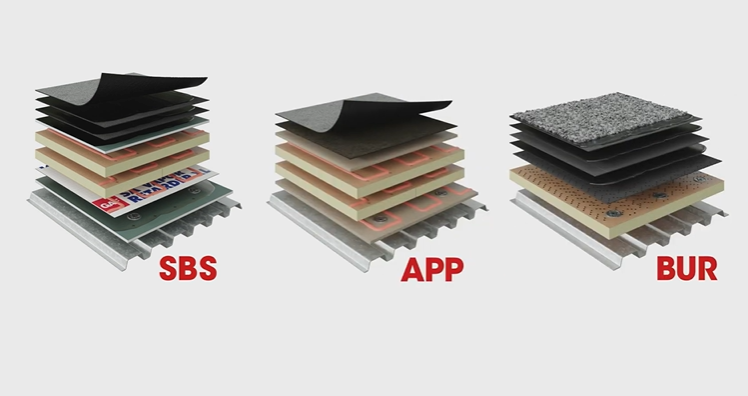
Nearly every torch down system starts with this choice, and it genuinely matters for how your roof performs in San Francisco’s specific conditions.
SBS — Rubber-Modified, Better in Cool, Consistent Temperatures
SBS (Styrene-Butadiene-Styrene) modified bitumen is rubber-modified, which means it stays flexible across a wider temperature range than APP. For a city where the marine layer keeps roof surfaces cool and damp for large stretches of the year — the Outer Sunset and Outer Richmond especially — that flexibility matters. SBS handles the constant, low-grade thermal cycling of fog-belt mornings and warmer afternoons without becoming brittle the way a less flexible material might over years of that repeated stress.
APP — Plastic-Modified, Better UV and Heat Resistance
APP (Atactic Polypropylene) modified bitumen is plastic-modified rather than rubber-modified, and it generally holds up better under sustained direct UV exposure and higher heat. This matters more in San Francisco’s sunnier zones — Potrero Hill, Bernal Heights, the Excelsior — where a roof sees meaningfully more direct sun and less persistent fog than the coastal neighborhoods.
Our Honest Read for San Francisco Specifically
If your flat roof sits in a fog-belt zip code, SBS is generally the more defensible choice given the persistent cool, damp conditions it’s specifically better suited for. If your roof sits in a sunnier microclimate with more consistent direct heat exposure, APP’s UV resistance becomes the more relevant advantage. Neither is universally “better” — the right answer depends on where your specific address sits in this city’s genuinely varied climate map.
Base Sheet Types — The Layer Nobody Sees But Everyone Should Ask About
The base sheet is the foundation layer installed before the cap sheet goes down, and its quality affects the whole system’s long-term performance even though it’s completely hidden once the job is done.
Fiberglass-Reinforced Base Sheets
Fiberglass reinforcement gives the base sheet strong dimensional stability and good fire resistance, and it’s a common, cost-effective choice for standard residential torch down applications. It handles the mechanical stresses of a typical rowhouse flat roof well, particularly on sections without heavy foot traffic.
Polyester-Reinforced Base Sheets
Polyester reinforcement offers better flexibility and puncture resistance than fiberglass, which matters more on roofs with regular foot traffic — say, a section homeowners access for HVAC maintenance or a rooftop deck use case. It costs more, but on a roof that genuinely sees people walking across it, the added puncture resistance is worth the premium.
Why the Base Sheet Choice Should Match How the Roof Gets Used
A roof that nobody ever walks on beyond an annual inspection doesn’t need the most puncture-resistant base sheet available — that’s money better spent elsewhere in the system. A roof with a rooftop deck, solar panel maintenance access, or regular HVAC service calls for the tougher option. Ask your contractor directly which reinforcement type they’re specifying and why, tied to your actual roof’s use case, not just what’s cheapest to stock.
Cap Sheet Grades — Granulated vs Smooth Surface
The cap sheet is the visible, top layer, and its surface finish affects both appearance and performance in ways that matter specifically here.
Granulated Cap Sheets
Granulated cap sheets have mineral granules embedded in the surface, providing UV protection and a more finished, textured appearance. This is the more common choice for residential applications, and the granule coating meaningfully extends the material’s resistance to sun degradation over the life of the roof.
Smooth Cap Sheets
Smooth cap sheets lack that granule layer, giving a cleaner, flatter appearance, but they’re more commonly paired with a separate reflective coating on top rather than left bare, since the surface alone offers less inherent UV protection. Smooth cap sheet is often the mid-ply layer in a multi-ply system rather than the final exposed surface.
Reflective Cap Sheets and Title 24
For California’s Title 24 cool-roof compliance on low-slope re-roofing projects, a white or light-colored, highly reflective granulated cap sheet is often the simplest way for a torch down system to meet the requirement without adding a separate coating step. If your project involves a significant re-roof rather than a small repair, ask specifically whether the cap sheet you’re being quoted is reflective enough to satisfy this requirement, since not every granulated cap sheet automatically qualifies.
2-Ply vs 3-Ply Systems
Beyond the material chemistry itself, how many layers make up the system affects both cost and durability.
2-Ply Systems — Base Sheet Plus Cap Sheet
A standard 2-ply system — one base sheet and one cap sheet — is the typical baseline for residential flat roofs without heavy use demands. It’s a proven, reliable approach for a straightforward rowhouse flat section that mostly just needs to keep water out.
3-Ply Systems — Added Protection for High-Traffic or High-Value Roofs
Adding a middle ply between the base and cap sheet increases total system thickness and redundancy, which matters more on roofs with regular foot traffic, rooftop equipment, or where the cost of a future failure — say, on a commercial building or a roof deck used regularly — justifies the extra upfront cost. It’s not necessary on every roof, but it’s worth discussing specifically if your roof gets more than occasional access.
Materials Worth Genuine Skepticism
A few products and approaches come up in torch down conversations that deserve a more careful, skeptical look before you commit.
Be Wary of Vague “Premium” Material Claims Without Specifics
If a contractor describes their material as simply “premium” or “top of the line” without naming the actual manufacturer, reinforcement type, or cap sheet grade, ask for those specifics directly. Reputable manufacturers and specific product lines exist for a reason — a contractor confident in their material choice should be able to name it, not just describe it in marketing language.
Understand What You’re Actually Comparing When Bids Vary Widely
If you’re comparing torch down bids that differ significantly in price for what sounds like the same scope, the difference is very often in material grade — fiberglass versus polyester base sheet, 2-ply versus 3-ply, granulated versus smooth cap sheet — rather than one contractor simply charging more for identical work. Ask each bidder to specify exact material by manufacturer and product line so you’re comparing the same thing.
Frequently Asked Questions About Torch Down Materials in San Francisco
We’ll tell you honestly which torch down material specification actually makes sense for your roof’s location and use case — not just what’s easiest for us to install.
Call : +1 628 2214900 for Inspection. Material Specified to Your Roof, Not a Generic Default.