
San Francisco Roof Maintenance Guide 2026 — What to Actually Do, and When

Most roof maintenance advice you’ll find online was written for a house in Ohio. Clean the gutters in fall, check for ice dams in winter, done. None of that maps cleanly onto a city where it doesn’t snow, where the rainy season is really just a handful of intense atmospheric river events, and where a decent chunk of the housing stock is sitting under a marine layer that never really lets the roof dry out.
So this is the actual version — a maintenance calendar built around how San Francisco’s climate really behaves, not a generic checklist with the word “San Francisco” pasted into the title. If you follow this, you’re genuinely reducing the odds of an emergency call during the next big storm, and you’re catching the small stuff before it becomes a five-figure problem.
I’ll be honest about one thing upfront: none of this is complicated. It’s mostly just doing a handful of things at the right time of year instead of only thinking about your roof the day water starts coming through the ceiling.
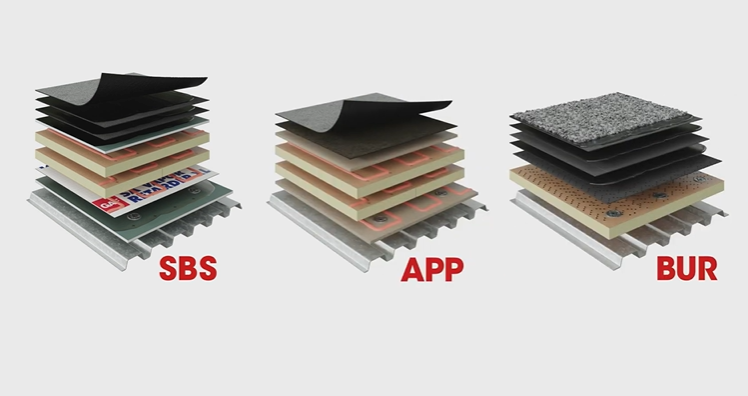
Learn More, SBS vs APP Modified Bitumen San Francisco
Why San Francisco’s Maintenance Calendar Looks Different Than Everywhere Else
Two things drive almost everything on this page — the rainy season’s specific shape, and the persistent fog that sits over parts of the city for large stretches of the year.
The Rainy Season Isn’t Steady Rain — It’s a Few Big Events
San Francisco’s wet season runs roughly November through March, but it doesn’t rain evenly across those months the way a lot of climates do. A large share of the season’s total rainfall tends to concentrate into a handful of atmospheric river events — sustained, heavy rain over a day or two — rather than spreading out as gentle, regular showers.
That matters for maintenance timing specifically. A small vulnerability that never shows up during light, ordinary rain gets tested hard the moment real volume hits it, which is exactly why the pre-season prep window matters more here than in a climate with gradual, predictable rainfall.
Fog-Belt Neighborhoods Age Differently Than Sunnier Ones
If you’re in the Outer Sunset, the Outer Richmond, or another zip code where Karl the Fog sits heavy most mornings, your roof deals with near-constant low-grade moisture for large parts of the year — different from occasional rain, and it drives a specific maintenance need (moss and algae control) that a roof in Bernal Heights or Potrero Hill mostly doesn’t have to worry about nearly as much.
September — Pre-Rainy Season Inspection
This is the single most valuable maintenance window on the entire calendar, and it’s the one most homeowners skip until it’s too late.
Why September Specifically
Getting an inspection done in September means any issue found gets fixed while the weather is still dry and cooperative, well before the first real atmospheric river shows up. An inspection in September that catches a small flashing gap is a completely different financial situation than discovering that same gap during an active leak in January.
What to Actually Check
Walk the roof perimeter if it’s safe to access, or have a professional do it, checking flashing at chimneys, skylights, and any parapet walls. Clear debris from drains and gutters — leaves, branches, anything that’s accumulated since the last check. Look for early moss or algae growth if you’re in a fog-belt zip code, since catching it early is far easier than treating an established colony.
November Through March — Atmospheric River Season
During the season itself, maintenance shifts from prevention to monitoring and quick response.
After Each Major Storm, Do a Quick Interior Check
Walk through your attic or top-floor ceilings after any significant storm, looking for new staining, dampness, or anything that wasn’t there before. Catching a small leak the day after a storm is a much smaller problem than catching it three storms later, once it’s had time to spread.
Know Who You’re Calling Before You Need To
Have a roofer’s number saved before an emergency, not during one. If your roof develops an active leak mid-storm, the difference between calling a company you’ve already vetted and frantically searching during a downpour is real — response time and trust both matter more in that moment than they do on a calm Tuesday.
Don’t Attempt Roof Access During Active Storms
This sounds obvious, but it’s worth saying directly: a wet roof during an active atmospheric river is genuinely dangerous to walk, and whatever you’re trying to check or fix can almost always wait until conditions improve, or until a professional can access it safely.
Spring — Post-Storm Assessment
Once the heaviest rain has passed, spring is when you take stock of what the season actually did to your roof.
Full Post-Season Walkthrough
A thorough inspection after the rainy season wraps up catches anything that developed during winter but hasn’t become an obvious problem yet — a stressed seam on a flat roof, a section of flashing that’s started to separate, granule loss on shingles that took a beating from repeated heavy rain.
Address Anything Found Before Summer
Spring and early summer are genuinely the best window for any repair work, since the weather is dry and predictable, and contractors generally have more scheduling flexibility than during the pre-season rush every September.
Summer — Moss and Algae Treatment for Fog-Belt Homes
If you’re in a persistently foggy zip code, summer is maintenance season for a specific, recurring problem.
Why Summer Is the Right Window
Biological growth treatment works best applied during a dry stretch, and summer — even in fog-belt neighborhoods — tends to offer more consistently dry days than winter. Treating moss and algae now, before the next rainy season arrives, keeps it from establishing further and causing the granule loss and moisture retention that shortens shingle life.
What Treatment Actually Involves
Options range from a zinc or copper strip installed at the ridge, which passively releases growth-inhibiting ions with every rain, to a direct zinc sulfate treatment applied to the roof surface, which needs periodic reapplication. Avoid pressure washing asphalt shingles specifically — it strips the protective granule layer and shortens the roof’s functional life rather than extending it.
Year-Round Habits Worth Building In
A few things that don’t fit neatly into a seasonal calendar but matter regardless of the time of year.
Keep an Eye on Trees Near the Roofline
Overhanging branches drop debris into gutters and drains, hold moisture against the roof surface longer than it would otherwise sit, and create a path for animals that can cause their own damage. Trimming back branches that hang directly over the roof is a small, low-cost habit that prevents a surprising amount of downstream maintenance work.
Document Everything
Keep photos and notes from every inspection, even the ones where nothing was found. This documentation matters if you ever need to file an insurance claim, respond to a non-renewal letter, or simply track how your roof’s condition is changing year over year — a genuine record beats trying to remember whether something looked different last year.
Don’t Wait for a Problem to Get a Second Opinion
If something about a previous contractor’s work or recommendation doesn’t sit right with you, a second inspection is a small cost relative to the size of most roofing decisions. This is true at any point in the year, not just during an active issue.