
Roofing Permits in San Francisco (2026): Cost, Process & Timeline
Key Facts
- Checked: November 17, 2026, against the Department of Building Inspection’s own reroofing page and fee schedules
- Cost: $514 and up for a single-family home or duplex; $714 and up for all other building types
- The rule: a permit is required before installing, repairing, or removing roofing material
- The one exemption: reroofing of no more than 25% of the roof’s surface in any 12-month period
- Fastest route: online through PermitSF, instant for non-historic homes if the contractor is authorized 2 business days ahead
- Only a licensed C-39 contractor can apply for a reroofing permit online
A roofing permit in San Francisco is not a formality and it is not optional. The Department of Building Inspection requires one before any roofing material is installed, repaired, or removed. The fee starts at $514, the online route can issue the same day, and the permit triggers the only independent inspection your roof will ever get.
Quick Answer: Do You Need a Roofing Permit in San Francisco?
Yes. You need a building permit from the Department of Building Inspection (DBI) before installing, repairing, or removing roofing material, and a full roof replacement always needs one. The permit costs $514 and up for a single-family home or duplex, and $714 and up for all other building types. Only a licensed C-39 contractor can apply online, through the PermitSF portal. Our guide on how to choose a roofing contractor in San Francisco covers the license check that comes first.
How Much Does a Roofing Permit Cost in San Francisco?
The number to budget is the one on the city’s own reroofing page: $514 and up for a single-family home or duplex, $714 and up for all other building types, checked November 17, 2026. You pay before the permit is issued, and additional fees apply. That figure is the starting total, not just the base fee: the published fee schedule lists a lower base reroofing fee. The schedule has moved three times in two years.
| Fee schedule | Single-family / duplex | All other buildings |
| July 2024 (effective July 19, 2024) | $256.62 | $386.22 |
| September 2025 (effective Sept 1, 2025) | $309 | $509 |
| July 2026 (effective July 12, 2026) | $320 | $556 |
| SF.gov reroofing page | $514 and up | $714 and up |
Two wrong figures still circulate: $256.62 was the July 2024 schedule, and the $300 to $800 range understates the current $514 floor. A national video quoting $10 to $50 is not describing San Francisco.
The reroofing permit is a flat fee, not a percentage of the job. One roofing guide’s analysis of DBI open data puts the median declared value on 5,648 reroofing permits at $15,000, so the $514 permit is about 3.4% of the median job. The permit is a separate line item on your quote, and our roof repair cost guide shows how it sits alongside labor and materials.
When You Need One, and the One Time You Don’t
The default rule is simple and strict: you need a permit before installing, repairing, or removing roofing material. See the exemptions in San Francisco Building Code Section 106a.2 item 13. There is exactly one roofing exemption, and it is narrow: reroofing without installing, repairing, or removing roof material, if the total surface area reroofed in any 12-month period does not exceed 25 percent of the entire roof.
Two other jurisdictions require a permit above 25% replacement or 25% of the plywood; neither is San Francisco’s rule. Here, 25% is the exemption threshold: patch work under 25% of the roof in a year, without touching roof material, is exempt. A full tear-off, a material change, or any decking replacement always needs a permit.
Online or Over the Counter?
The job picks the route, not you. The online route works only when the work needs no plans and replaces no structural components, such as framing or decking and sheathing. Anything else gets an over-the-counter (OTC) building permit, and a reroof that finds rotted decking becomes an OTC job, often discovered only after the tear-off starts.
| Route | When it applies | How long it takes |
| Online (PermitSF) | No plans, no structural work | Instant if authorized 2 business days ahead |
| Over the counter | Plans or structural work | Manual review; 2-business-day goal for historic and commercial |
The 2-business-day rule decides whether the online route is actually instant: the contractor’s name and email must be on a contractor authorization record at least two business days in advance, or the application is processed manually. That record is the AUTH number, registered on PermitSF before the application goes in. Historic and commercial projects always need staff review, with a 2-business-day approval goal.
The 5 Steps, in Order
Step 1: Check if you can get a reroofing permit online. No plans, no structural replacement. If either applies, go over the counter.
Step 2: Gather information about the roof replacement work. The application asks for the building’s occupancy, construction type, and stories; whether changes are visible from the street; a Planning Approval Letter for landmarks; the existing and proposed material; flat or pitched; skylights, solar panels, and hot work; photos for landmarks; cool roof information for commercial buildings replacing more than half the roof or 2,000 sq ft; street space needs and duration; and the project valuation. Applicants acting for a contractor without PermitSF authorization must also upload the contractor’s driver’s license and a Licensed Contractor Statement Form. Our commercial roof insulation and Title 24 guide covers the cool roof rules in full.
Step 3: Apply online through PermitSF. You pay before the permit can be issued, online or with cash or check at the payment kiosk at the Permit Center.
Step 4: Activate your street space permit after the reroofing permit is issued. Apply for the street space permit and get the required parking signs at Public Works; the fee is included in your reroofing permit fee.
Step 5: Request inspections for your reroofing permit. Once the permit is issued, request inspections online from the PermitSF dashboard. The inspector typically visits once the old roof is off and the underlayment is on, and again at completion.
Permit Center help desk: 628-652-4900. Email: [email protected].
The $85,000 Restoration: Four Fears, Four Answers
The best material in our research is a homeowner, not a guide. After a termite infestation, a contractor opened the walls of a roughly 100-year-old San Francisco house and found mold, rot, and a century of damage. The repair estimate was $85,000. The contractor said permits were up to the homeowner and advised against them: a can of worms, extra work that was not needed, fines for slowness, and a risk the family would have to move out. The homeowner asked for other opinions and decided to pull permits.
A licensed architect answered each fear: the “can of worms” is repairs you need no matter what; “additional work not really needed” is not true; “fines if not done quickly enough” is absolutely not true; DBI cannot force you to move out.
Three more findings belong in any honest guide. First, the California Historic Building Code: you do not always have to bring a 100-year-old house up to current code, and if your contractor is not familiar with that code, find one who is. About 45% of San Francisco’s housing was built before 1940, per Census ACS 2024. Second, separate the scope and permit only the permit-required work: structural and some electrical work need a permit, carpet and paint do not. Third, try the “as is” route: approval as-is is quick and needs no drawings.
Two warnings cut the other way. Permits do not guarantee good work: one homeowner was forced to remove Sheetrock across half a Victorian and install shear walls after an inspector noticed lathe and plaster had been removed. Inspectors rotate districts, so a different inspector at final inspection may request more work, and one San Francisco general contractor advises adding 30% to the budget. A permit buys an independent inspection, not a guarantee; our guide on how to read a roofing quote shows what a permit line item should look like.
Historic Buildings and Torch Work
A landmark historic building needs a Planning Approval Letter, or confirmation from SF Planning that none is required, plus photos of the existing roof, and staff review with a 2-business-day approval goal.
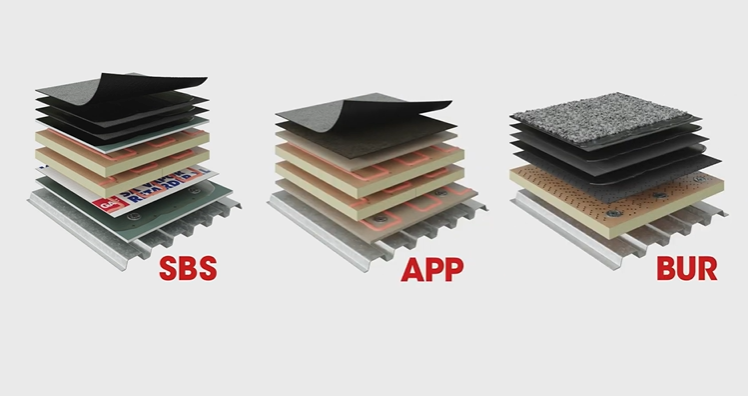
Torch work gets its own rules from the San Francisco Fire Department. If the roofer uses a torch, open flame, or LP-gas, they must have a permit from the SFFD Bureau of Prevention, Permit Section. The Fire Department requires a firewatch: a person who does nothing but watch the torch work, with a phone and a fire extinguisher, on site at all times and for at least 1 hour after the day’s work ends. Check your homeowner’s insurance first: some policies will not cover losses from a torch-down fire. Our torch-down roofing cost guide covers the system itself.
How to Check the Permit, and How to Close It
The permit is only useful if it was actually pulled, and only finished if it was actually closed. To check whether a permit was pulled, use DBI’s online permit tracking at dbiweb.sfgov.org/dbipts: enter the address, then select Building Permits. To check the contractor, use the Contractors State License Board license check at cslb.ca.gov, which confirms the C-39 classification is active and shows workers compensation coverage. A contractor without an active C-39 cannot legally pull a permit in California.
Closing the permit is where roofing permits most often fail. A reroof permit is often issued and never followed up on: one commenter who sells insurance reports that 9 in 10 roofer-pulled permits never get a final inspection, and the permit is eventually cancelled and marked expired. If your insurer sees an open or expired permit, it assumes the work was not done. Ask for the closing inspection in writing before work starts, with the final sign-off and the warranty paperwork. A permit also lapses if work does not start within 180 days of issue, according to homeowner reports. Watch the scaffolding bill: a contractor that drags its feet on the inspection can leave scaffolding up for weeks, and one commenter reports $5,000 spent on scaffolding from contractor mismanagement.
KnockPortal’s weekly counts for weeks 36 to 44 in 2026 total 767 permits over 8 weeks, about 96 a week, or roughly 5,000 reroof permits a year, most in 94112 and 94131. Four of those weeks:
| Week (2026) | Roofing permits | Solar permits |
| Week 36 | 62 | 14 |
| Week 38 | 94 | 19 |
| Week 40 | 110 | 19 |
| Week 41 | 115 | 15 |
| Total over 8 weeks | 767 | 110 |
What Happens Without One
The most immediate consequence is your neighbours. Anyone can report unpermitted work anonymously to DBI, a report triggers an immediate inspection, and DBI can cease all work until permits are obtained. Commenters report a neighbour reported for replacing a gutter in Eureka Valley, and a job next door shut down after an inspector saw workers and red-tagged it.
The second consequence arrives at sale time. Buyers and inspectors ask for proof of permits, and new sheetrock, plumbing, and electrical in a 100-year-old home is a red flag without it. You must disclose all work, permitted or not, when you sell, and failing to do so can leave you liable for the cost of putting things right. Unpermitted major repair makes buyers pause.
The third consequence is the fix itself. If unpermitted work is discovered, the city can require you to open it back up and redo parts of it, then still pay for the permits and fines. For a roof, that means a retroactive building permit with expensive fees, and if you cannot provide documentation, the city may ask you to remove part of the roof to check compliance; worst case, you redo the entire roof. One Daly City homeowner is living this now: one section is already an unpermitted new rubber roof. The cheapest fix is before the work starts: pull the permit, and if there is older unpermitted work on the roof, ask the roofer to pull permits for that too. A roof that leaks after an unpermitted replacement is a second problem with no paper trail; our best roof coating guide covers what a coating can and cannot fix on a flat roof, but a coating does not fix a permit problem.
Several homeowners say most work in San Francisco is unpermitted. The weekly counts show the other side: about 96 roofing permits a week. A permit costs $514 and up; opening a finished roof back up and losing a buyer costs far more.
How We Checked
Every fee here comes from the Department of Building Inspection: the reroofing page on SF.gov, checked November 17, 2026, and the fee schedules for July 2024, September 2025, and July 2026. The exemption list comes from the city’s own “Check if your construction project needs a permit” page, checked the same day. The process steps, the AUTH number rule, the processing times, and the street space rule come from the reroofing page. The firewatch and torch rules come from the San Francisco Fire Department’s notice to building owners. The weekly permit counts are KnockPortal’s reported figures for weeks 36 to 44, 2026. The median $15,000 declared reroof value and the 45% pre-1940 housing figure come from a roofing guide’s analysis of DBI open data and Census ACS 2024 data. The homeowner stories, the architect’s answers, the $75,000 renovation, the 30% budget advice, and the 9-in-10 unclosed permits figure are user posts and commenter claims from Reddit, re-checked against the official sources where they overlap. No Semrush data arrived for this topic.
Roofing Permits in San Francisco FAQs
Do you need a permit to replace a roof in San Francisco?
Yes. You need a building permit from the Department of Building Inspection before installing, repairing, or removing roofing material, and a full roof replacement always needs one. The only exemption covers reroofing of no more than 25% of the roof’s surface in any 12-month period.
How much does a roofing permit cost in San Francisco?
$514 and up for a single-family home or duplex, and $714 and up for all other building types, per the Department of Building Inspection’s reroofing page, checked November 17, 2026. Additional fees apply. The fee schedule’s base fee is lower, $320 and $556 under the July 2026 schedule.
How long does a roofing permit take in San Francisco?
Online through PermitSF, it can issue right away for a non-historic residential building, if the contractor authorization record was submitted at least two business days in advance. Historic and commercial projects need staff review, with a goal of approval within two business days.
Can I pull my own roofing permit in San Francisco?
Only a licensed C-39 contractor can apply for a reroofing permit online. Whether a homeowner can pull one in person over the counter is not confirmed by the official reroofing page, so ask the Permit Center at 628-652-4900 before planning around it.
What happens if you replace a roof without a permit in San Francisco?
Anyone can report the work anonymously to DBI, a report triggers an immediate inspection, and DBI can stop all work until permits are obtained. At sale time, buyers ask for proof of permits. If unpermitted work is found, the city can require you to open it back up, redo parts of it, and still pay for permits and fines.
Does a roofing permit need to be closed or inspected?
Yes, and this is the step most often missed. A reroof permit needs a final inspection to close it, and an insurance commenter reports that 9 in 10 roofer-pulled permits never get one. If your insurer sees an open or expired permit, it assumes the work was not done. Ask for the closing inspection in writing before work starts, and collect the final sign-off with the warranty paperwork.
Can you get a permit for work that was already done without one?
Yes, by filing a retroactive building permit, which carries expensive fees. If you cannot provide documentation, the city may ask you to remove part of the roof to check compliance; worst case, you redo the entire roof.
Will a permit force me to bring my 100-year-old house up to current code?
Not always. The California Historic Building Code allows older buildings to be repaired without bringing the whole house up to current code. If your contractor is not familiar with that code, find one who is.
Do I need a structural engineer for termite and rot repair?
If the damage is structural, yes, and hire your own independent engineer, not a buddy of the contractor.
Do you need a permit to replace windows in SF?
Repairing or replacing glass does not need a permit. Replacing the whole window unit does: window replacement is on the PermitSF over-the-counter list, so it needs an OTC permit, not a reroofing permit.
Where can I get a roof inspection in San Francisco?
Book a detailed inspection from a licensed C-39 roofing contractor, in writing with photos and a written report. The city’s inspections come after the permit is issued: request them from the PermitSF dashboard, once the old roof is off and the underlayment is on, and again when the roof is complete.
How many roofing permits does San Francisco issue in a week?
About 96 a week on average, based on KnockPortal’s reported counts for weeks 36 to 44 in 2026: 767 permits over 8 weeks, ranging from 62 to 115 a week, most in 94112 and 94131.
Bottom line: A roofing permit in San Francisco costs $514 and up, can issue the same day online, and is required before any roofing material is installed, repaired, or removed. The only exemption is patch work under 25% of the roof in a year. Pull the permit, verify it was pulled, and close it with a final inspection, because the permit is what protects you from the contractor, the neighbour’s report, and the buyer who asks for proof. NAICS Code 238160 – Roofing Contractors. Call +1 833-804-6249 to book a detailed inspection.